
Listen up, because we’re not here to sugarcoat anything today. At AHTRAVELSNYC, we usually talk about the best suites in the city or where to find the most exclusive beach clubs in the Caribbean. But we’re a family-run business, and we know that nothing ruins a family vibe: or a life: faster than the "new" drug scene hitting our streets and schools.
If you think you know what "smoking weed" looks like because you grew up in the 90s or early 2000s, you are dangerously behind the times. The landscape has changed. It’s no longer just about a plant; it’s about chemistry, predatory marketing, and synthetic garbage that’s landing kids in the ER. We’re giving you the raw truth about what’s out there, what to look for, and how to handle it before things go sideways.
This Isn’t Your High School Pot
Forget the baggie of green leaves. Today’s market is flooded with "hemp-derived" cannabinoids that fall into a legal gray area, making them incredibly easy for teenagers to get their hands on. You’ve probably heard the names: Delta-8, Delta-10, and HHC.
These are marketed as "weed light," but there is nothing light about them. Because they are often unregulated, you have no idea what’s actually in them. They are chemically processed from hemp using solvents like battery acid or bleach. For a developing teenage brain, these concentrated chemicals are a direct hit to the central nervous system.
Then there’s the even darker side: K2 and Spice. These are synthetic cannabinoids: man-made chemicals sprayed onto dried plant material. They aren't marijuana. They are poison. They are designed to mimic the high of THC but are often 100 times more potent and unpredictable. In a city like New York, you’ll see these sold in "gas stations" or corner shops under names like "Scooby Snax" or "Kush." Don't let the names fool you; they are lethal.
Deceptive Packaging and Marketing
This is where it gets predatory. Manufacturers of illegal edibles are intentionally designing their packaging to look exactly like the snacks your kids have been eating since they were in diapers.
We’re talking about bags that look nearly identical to:
- Skittles
- Nerds Ropes
- Gushers
- Sour Patch Kids
- Doritos or Cheetos
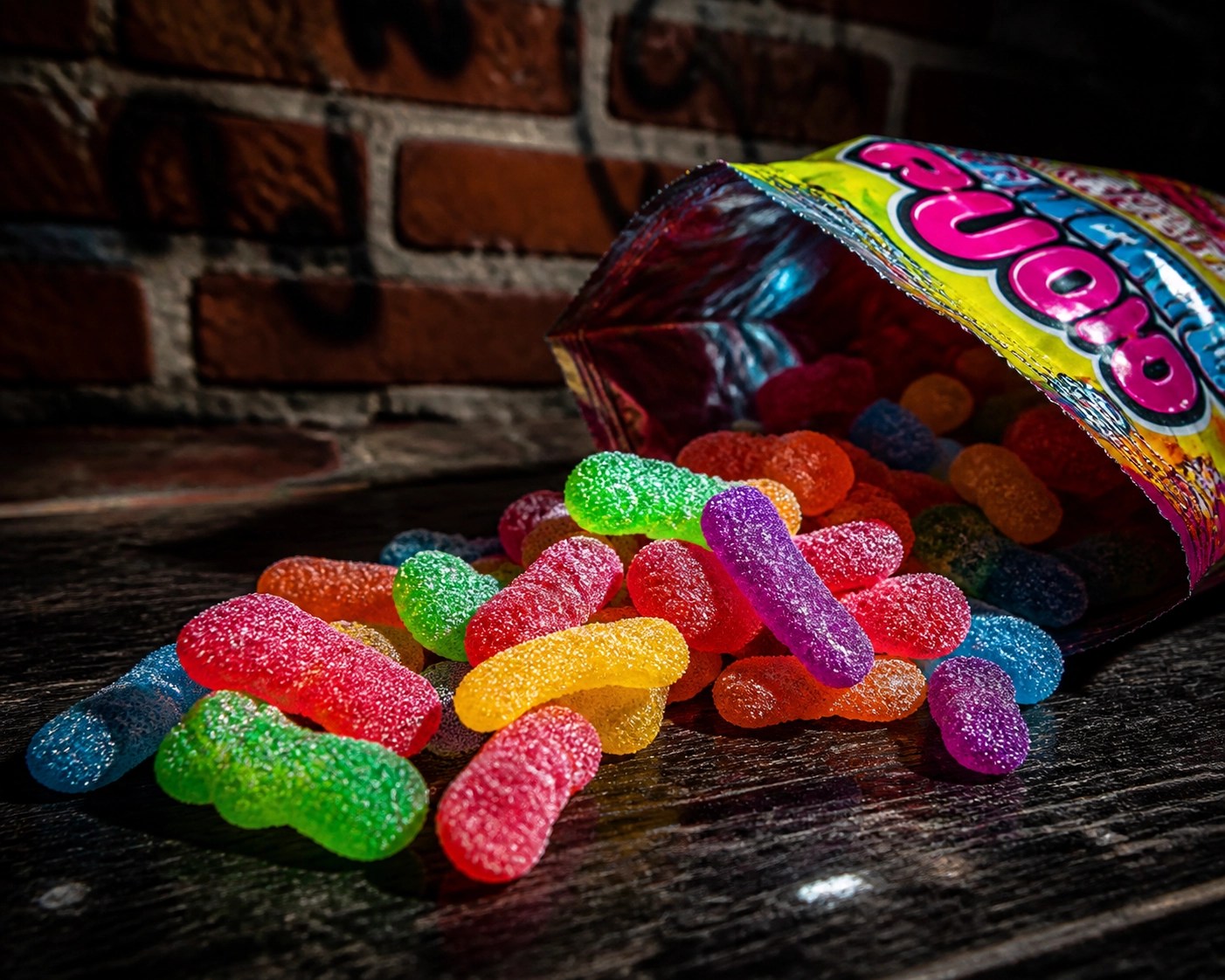
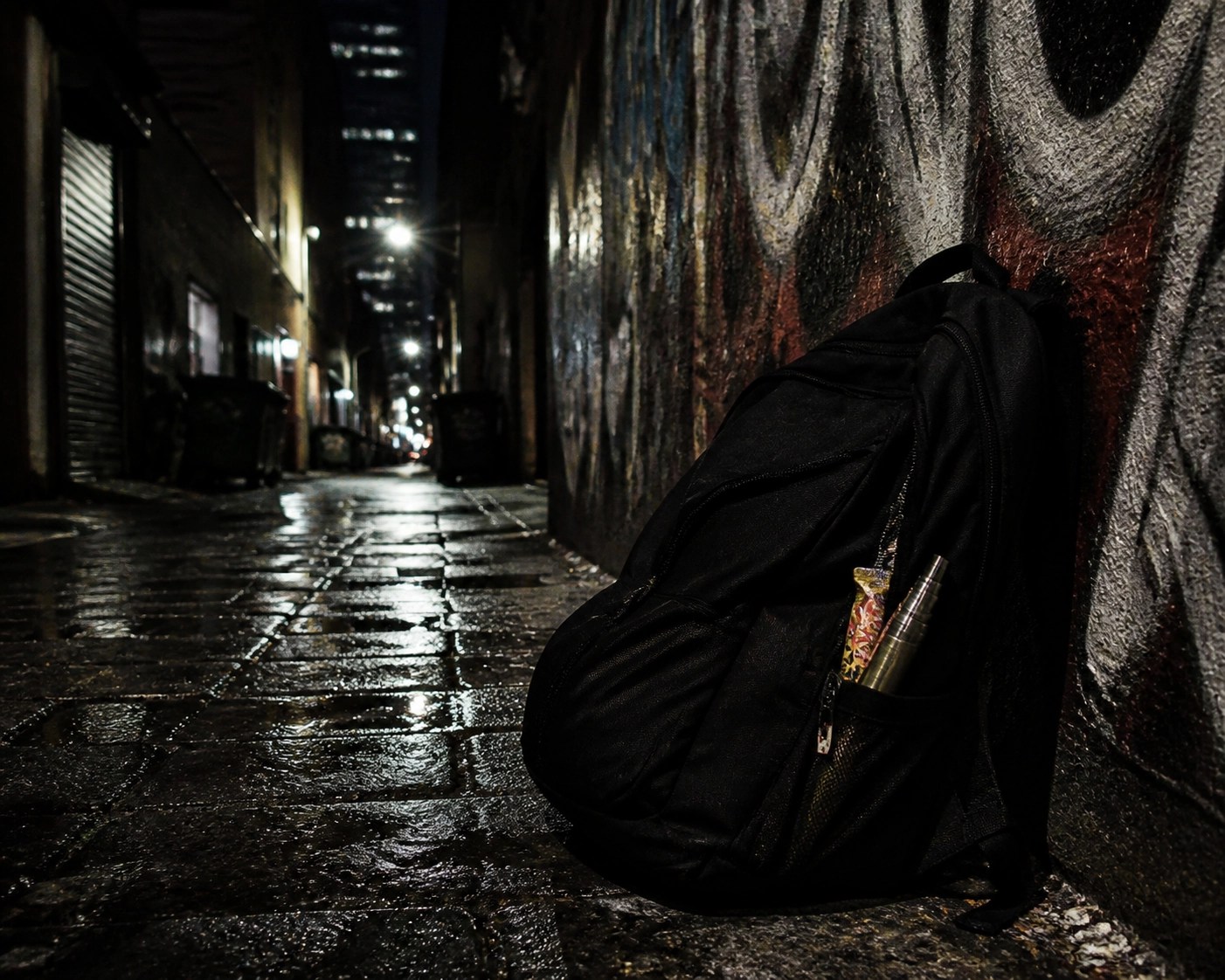
They use the same colors, the same fonts, and even similar slogans. If a bag is sitting on a bedroom floor or stuffed in a backpack, a parent might walk right past it thinking it’s just junk food. But look closer. You’ll see small "THC" stamps, "medicated" labels, or a small cannabis leaf icon. For a kid, the line between "snack" and "drug" is being intentionally blurred. This leads to accidental overdoses where a teen eats the whole bag because they think it’s just candy, only to end up in a state of psychosis or respiratory distress an hour later.
Spotting the Signs: What to Look For
You know your kid better than anyone, but drugs change people. You need to be looking for physical and behavioral shifts that don't make sense. We aren't talking about "the munchies" or a little bit of laughter. The symptoms of synthetic marijuana use are aggressive and scary.
Physical Symptoms to Watch For:
- Agitation and Anxiety: If your usually chill teen is suddenly pacing, paranoid, or picking fights over nothing, pay attention.
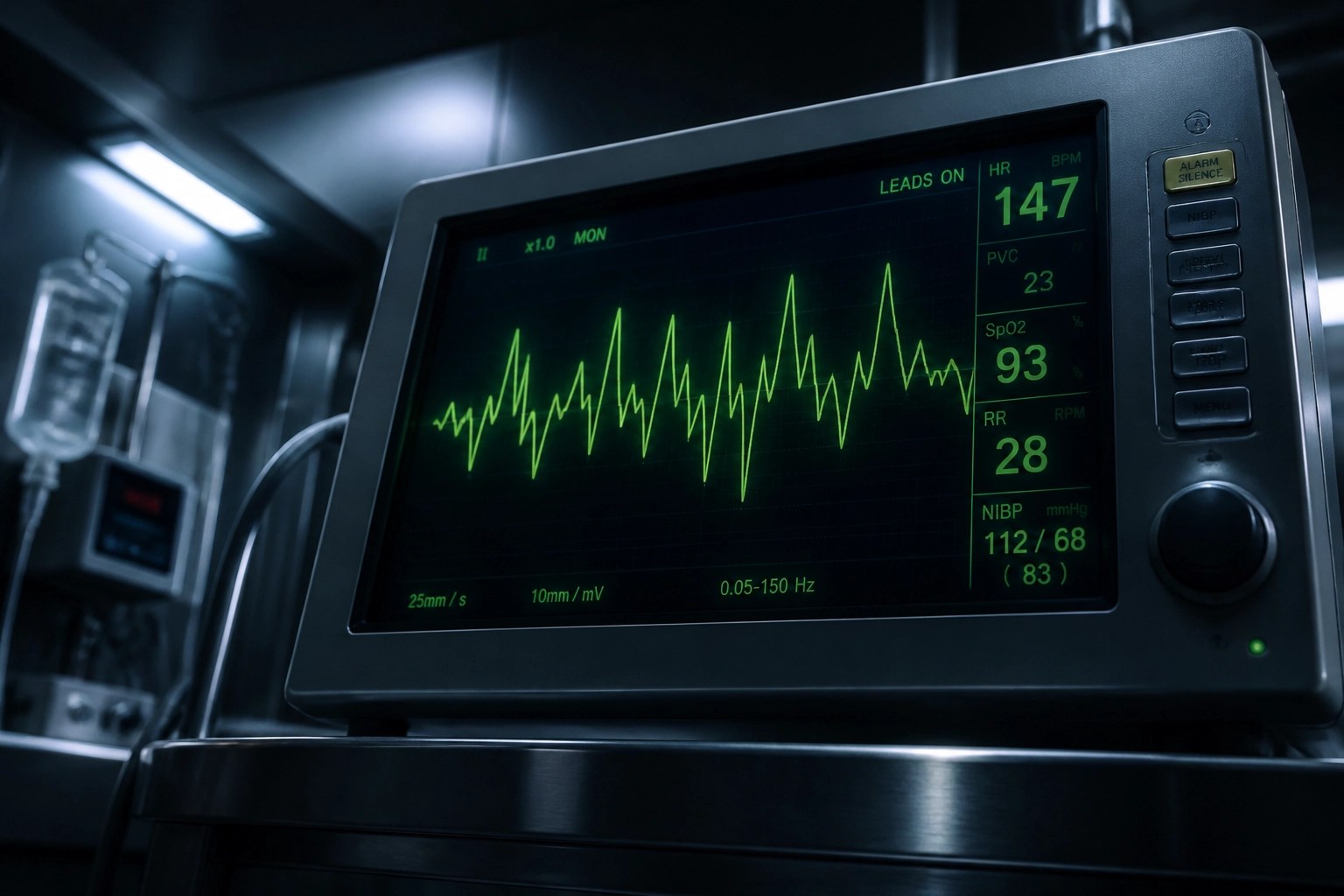
- Rapid Heart Rate: Synthetic weed can send the heart into overdrive. If they look like they’ve just run a marathon while sitting on the couch, something is wrong.
- Seizures: This is a major red flag for K2 or Spice. These chemicals can cause electrical storms in the brain.
- Vomiting: Intense, uncontrollable nausea is common with high-potency synthetics.
- Unresponsiveness: If they are "nodding out" or you can’t wake them up, this is a medical emergency.
Behavioral Red Flags:
- Sudden Mood Swings: Extreme highs followed by deep, dark lows or unexplained anger.
- Secretive Packaging: Finding "empty" candy wrappers that you didn't buy, or finding wrappers hidden at the bottom of the trash.
- Withdrawal: Losing interest in the family vacation you’re planning or skipping out on school activities they used to love.
Where to Look (The Reality Check)
If you suspect something is up, don't be afraid to be a parent. This isn't about "invading privacy"; it's about saving their life. In 2026, kids are clever. They aren't putting things under the mattress anymore.
Check the obvious but overlooked spots:
- Vape Pens: They don't just smoke leaves anymore. Many synthetics are sold in "carts" or disposable pens that look like USB drives or highlighters.
- Inside Clothing: Linings of jackets, inside shoes, or tucked into the waistband of gym shorts.
- The "Stash" Containers: Look for fake soda cans or hollowed-out books.
- Their Digital World: Check their delivery apps. In NYC, drugs are often delivered faster than a pizza.
What To Do Right Now: The Action Plan
If you find something, or if your teen is showing symptoms, you have to act fast. This isn't a "wait and see" situation.
- If they are having a seizure or are unresponsive: Call 911 immediately. Tell the paramedics exactly what you found. Don't worry about "getting them in trouble." Worry about keeping them alive.
- If they are conscious but acting "off": Call Poison Control. In NYC, the number is 212-POISONS (212-764-7667). They deal with this every single day and can talk you through the steps of an accidental or intentional ingestion.
- The Confrontation: When things calm down, have the talk. Don't go in screaming. Go in with facts. Show them the research. Tell them that the "candy" they’re eating is literally chemical waste.
Why We Care at AHTRAVELSNYC
You might be wondering why a travel agency is giving you a lecture on drug safety. It’s simple: we believe in the "Zero-Stress" experience. That doesn't just apply to your hotel room or your flight. It applies to your life. We want our clients to be able to enjoy their luxury suites and family getaways without the shadow of addiction or health crises hanging over their heads.
Safety starts at home, but it follows you everywhere. Whether you’re walking the streets of NYC or exploring a historic European city, being aware of the dangers facing our youth is part of being a responsible traveler and a responsible parent.

Don't Wait for a Crisis
The best defense is a strong offense. Talk to your kids today. Show them the pictures of the fake candy wrappers. Tell them that "Delta-8" isn't safe just because it’s sold in a store. If you need a moment to decompress or plan a safe, family-oriented escape to clear your heads, you can always contact us. We’re more than just travel agents; we’re part of your community.
For more tips on staying safe and making the most of your family time, check out our other posts on the AHTRAVELSNYC Blog. We’re here to help you navigate the world: both the beautiful parts and the dangerous ones.
Important Resources:
- NYC Poison Control: 212-POISONS
- National Suicide & Crisis Lifeline: 988
- SAMHSA National Helpline: 1-800-662-HELP
Stay sharp, stay safe, and keep your family protected. The streets of NYC are tough, but we’re tougher when we have the right information.
Ready to plan a safe, stress-free family getaway?
Let’s get you away from the chaos. Reach out to AHTRAVELSNYC today and let’s build an itinerary that focuses on real connection and real experiences. Visit our about page to see how we put families first.
Leave a Reply