
Planning an international vacation from the United States in 2026? Before you pack your polished carry-on or finalize your luxury cruise itinerary, take a close look at your travel documents.
Europe’s border procedures are changing, and two terms are appearing everywhere: EES and ETIAS. They are not the same thing, and knowing the difference can help you avoid confusion, unnecessary fees, and stressful surprises at the airport or cruise terminal.
As of August 2026:
- The EU Entry/Exit System, or EES, is fully operational.
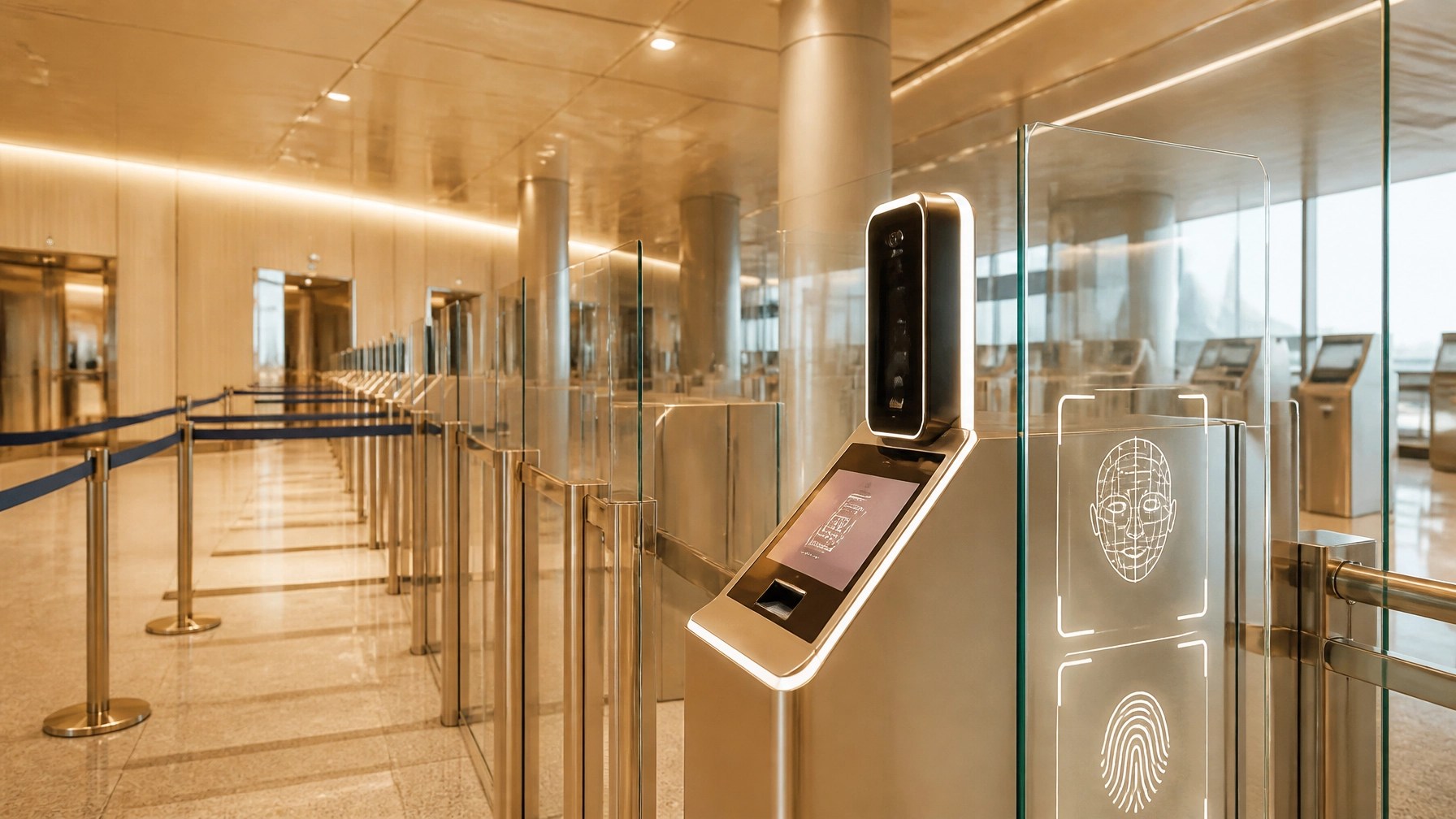
- EES collects biometric information at the border, including a facial image and fingerprints.
- ETIAS has not launched yet. It is expected to begin in the fourth quarter of 2026.
- Your passport must generally be valid for at least three months beyond your planned departure from the Schengen Area.
- Your passport must also have been issued within the previous 10 years.
This is an informational guide for U.S. travelers going abroad: not destination selling. If your plans include a European cruise, multi-country itinerary, or time before or after your sailing, the right paperwork should be part of your planning from day one.
Understand the Difference: EES vs. ETIAS
The easiest way to remember the change is this:
- EES is collected at the border.
- ETIAS will be completed before travel once it launches.
They serve different purposes, so do not treat one as a replacement for the other.
What Is EES?
The Entry/Exit System is the European Union’s digital border-recording system for many non-EU travelers visiting for short stays.
It replaced traditional passport stamping and creates a digital record of:
- Your name and travel-document details
- Your date and place of entry
- Your date and place of exit
- Your facial image
- Your fingerprints
- Any refusal of entry
The European Commission’s official EES overview confirms that the system became fully operational on April 10, 2026.
What U.S. Travelers Need to Do for EES
There is no EES application to complete before your trip.
When you first enter through an external Schengen border, border authorities will process your passport and collect the required biometric information. This may happen at an airport, seaport, or another authorized border crossing.
Prepare by:
- Carrying your valid U.S. passport.
- Allowing extra time for border processing.
- Following instructions from border officers and self-service kiosks.
- Keeping your travel details organized and accessible.
- Expecting a digital entry and exit record rather than a traditional passport stamp.
The first processing experience may take longer than what you are used to, especially when several travelers arrive at once. Build a little breathing room into your arrival plans rather than scheduling a tight connection immediately after border control.
ETIAS Has Not Launched Yet: Watch for Scams
ETIAS stands for the European Travel Information and Authorisation System. It will be a separate pre-travel authorization for eligible visa-exempt travelers, including U.S. citizens visiting participating European countries for short stays.
As of August 2026, ETIAS is not yet in operation, and applications are not being collected. The launch is currently expected in Q4 2026, but the official start date has not been announced.
The official ETIAS website states that the European Union will announce the specific launch date several months before the system begins.
Protect Yourself From Early ETIAS Fee Scams
Be cautious if a website or message claims that you must pay for ETIAS immediately. Before the official launch:
- Do not submit personal information to an unofficial application website.
- Do not pay a company claiming to process an ETIAS application today.
- Verify announcements through official European Union resources.
- Check your travel documents again shortly before departure.
- Ask your NYC travel specialist to help you identify what is required for your specific itinerary.
Once ETIAS launches, eligible travelers will need to apply online before departure. The application is expected to include a fee, but travelers should confirm the current amount and official application process through the European Union’s ETIAS information portal.
ETIAS does not replace a passport, visa requirements, border checks, or EES. It is an additional pre-travel step that will apply once the system is active.
Check Your Passport Before You Book
Passport validity is one of the most important: and most frequently overlooked: entry requirements.
For a short stay in the Schengen Area, your U.S. passport generally must be:
- Valid for at least three months beyond your planned departure date.
- Issued within the previous 10 years on the day you enter.
- In good condition, with no significant damage.
- Available for every part of your planned itinerary.
For example, if you plan to leave the Schengen Area on October 15, 2026, your passport should remain valid through at least January 15, 2027.
The U.S. Department of State’s Europe travel guidance and the EU’s official entry requirements for non-EU nationals provide current details.
Why Renewing Early May Be the Smarter Choice
Three months is the standard requirement, but renewing earlier may be wise if your passport is close to the limit.
Consider renewing before travel if:
- Your passport expires soon after your planned return.
- It was issued nearly 10 years ago.
- You have several international trips planned.
- Your itinerary includes multiple countries with different document checks.
- You want a larger cushion in case your plans change.
Do not wait until the week before departure. Passport processing times can change, and replacing a document at the last minute can create unnecessary pressure.

Cruise Travelers: Pay Attention to Your First Border Entry
Cruise vacations can make entry requirements feel less obvious because your trip may involve flights, ports, and multiple countries.
Your first external Schengen border crossing could happen:
- At the airport where you arrive before your cruise.
- At a European cruise port if the ship arrives from outside the Schengen Area.
- During a pre-cruise hotel stay.
- At another port depending on your sailing route and embarkation point.
For a cruise vacation, review the complete journey: not just the ship’s itinerary.
Create a simple document timeline showing:
- Your U.S. departure date
- Your first European arrival point
- Your cruise embarkation port
- Any hotel stays before or after sailing
- Your planned departure from the Schengen Area
- Your passport expiration date
- Your expected return date
A cruise vacation expert can help you identify where border processing may occur and whether your air, hotel, and cruise schedule leaves enough time for each step.

Keep the 90/180-Day Rule in View
For many visa-exempt U.S. travelers, short stays in the Schengen Area are limited to 90 days within any 180-day period.
EES is designed to help authorities record entries and exits and identify overstays. That means your travel history will be tracked digitally rather than primarily through passport stamps.
If you are combining:
- A cruise
- A land itinerary
- Multiple European countries
- Several international trips close together
Keep a personal record of your dates. Do not assume that moving between participating countries resets the clock.
Your itinerary may be completely compliant, but calculating the dates incorrectly can cause major complications at the border. For official information, use the EU’s EES stay calculator and guidance.
Your 2026 Europe Document Checklist
Before you depart, confirm each item below:
Passport
- Valid at least three months beyond your planned departure from the Schengen Area
- Issued within the last 10 years
- Undamaged and signed where required
- Has enough blank pages for your itinerary and any required markings
EES
- Understand that biometric information is collected at the border
- Know that no advance EES application is required
- Allow additional time for your first entry
- Keep your passport ready for inspection
ETIAS
- Confirm whether ETIAS has officially launched before departure
- Use only official European Union information
- Avoid early fee requests and unofficial application sites
- Apply before travel if the system is active and your trip requires it
Itinerary
- Identify your first external Schengen border
- Confirm cruise embarkation and disembarkation details
- Leave comfortable time between arrival and sailing
- Review requirements again before you fly
Let AHTRAVELSNYC Help You Stay Ahead
International paperwork is one more detail to manage when you are already comparing flights, choosing a cruise suite, arranging transfers, and coordinating hotel nights.
AHTRAVELSNYC provides personalized planning support for clients traveling from the United States, including guidance for cruise vacations that include international stops or European pre- and post-cruise arrangements.
As your NYC and Cruise Specialist, Ayesha can help you:
- Review your passport timeline before booking.
- Map the document checkpoints in your itinerary.
- Explain the difference between EES and ETIAS.
- Monitor official updates as ETIAS approaches launch.
- Coordinate cruise, air, and hotel timing with less stress.
- Help you prepare questions for the cruise line or relevant authorities.

Book With Confidence for 2026
Do not let a passport expiration date, unfamiliar biometric procedure, or misleading ETIAS website disrupt a long-awaited vacation.
Review your documents now, confirm the rules shortly before departure, and build your international travel plans with an expert who understands how the pieces fit together.
Ready to plan a luxury cruise or review your 2026 travel paperwork? Contact AHTRAVELSNYC for personalized guidance from your NYC and Cruise Specialist. Let’s make your journey organized, confident, and unforgettable!
Leave a Reply