A cruise cancellation can turn an exciting vacation into a stressful scramble: especially when you have flights, hotel nights, transfers, shore excursions, and time off work already arranged.
In 2026, travelers have seen cancellations and major itinerary changes connected to extended dry docks, government port closures, security concerns, severe weather, ship redeployments, and oversold sailings. The good news is that you are not always left to figure it out alone.
The most important step is understanding the difference between a canceled cruise and a changed itinerary. Your refund options, travel insurance coverage, and next steps can be very different.
As your cruise vacation expert, AHTRAVELSNYC helps you understand the fine print, compare replacement sailings, and protect the vacation you worked hard to plan.
Canceled Cruise vs. Changed Itinerary: Know the Difference
When the cruise itself is canceled
A canceled cruise means the cruise line will not operate your sailing as originally booked.
Depending on the cruise line and the circumstances, guests may receive:
- A full refund of cruise payments
- Refunds for taxes, fees, and eligible pre-purchased services
- A future cruise credit
- A rebooking option on another sailing
- Onboard credit or another goodwill offer
- Reimbursement for certain nonrefundable travel expenses, when specifically included in the cruise line’s offer
A future cruise credit is not always the same as a cash refund. Read the cancellation notice carefully before accepting an offer, especially if the credit has an expiration date or booking restrictions.
Royal Caribbean’s published policy, for example, states that if the line cancels a voyage: or delays embarkation by three days or more: and you decide not to take the delayed or substitute sailing, you may request a refund or future cruise credit. The line notes that guests who booked through an advisor should contact that person for booking changes. Review Royal Caribbean’s refund policy.
When the itinerary changes
An itinerary change means the cruise is still operating, but the route, ports, timing, embarkation date, or length of the sailing has changed.
Examples include:
- A port being removed
- A port being replaced with another destination
- Additional sea days
- A delayed embarkation
- A shortened cruise
- A different ship or sailing date
- Shore excursions being canceled because a port is no longer included
A small port-time adjustment usually does not create an automatic right to cancel for a full refund. A major change: such as losing several important ports, a multi-day delay, or a substantial reduction in the cruise: may result in special options, but the answer depends on the line’s policy and the specific notice sent to guests.
Cruise contracts generally allow lines to alter routes because of weather, mechanical issues, government actions, security concerns, or operational needs. Royal Caribbean explains that it may change, postpone, cancel, or deviate from a scheduled sailing or port of call when circumstances require it. See Royal Caribbean’s itinerary-change guidance.
What 2026 Cruise Disruptions Can Teach U.S. Travelers
Recent examples show why flexibility and protection matter.
P&O Ventura: An extended dry dock
P&O Cruises canceled a four-night Ventura sailing scheduled to depart February 23, 2026, after the ship’s planned dry dock and refurbishment period was extended.
The canceled Amsterdam voyage was no longer feasible within the revised shipyard schedule. According to reporting on P&O’s announcement, affected guests could request a full refund and receive an additional future-cruise credit if they rebooked by the stated deadline. Read the P&O cancellation report from TravelMole.
This is a useful reminder: a ship can be taken out of service for longer than expected when a dry dock involves more work than originally planned.
P&O Arvia: Schedule reshuffling
Arvia also had sailings affected by broader program changes. Some published voyages were canceled or replaced with new itineraries, including changes involving European routes.
It is important not to assume every ship change has the same cause. Ventura’s February cancellation was tied directly to the extended dry dock. Arvia’s affected sailings were described as schedule or operational changes within P&O’s broader program revisions.
For a U.S. traveler booking an international cruise, the practical lesson is the same: review the official notification, compare the replacement sailing carefully, and do not accept a substitute automatically if the new dates no longer work with your flights or hotel arrangements.
Royal Caribbean: Government port closures
Royal Caribbean suspended visits to Labadee through the end of 2026 while monitoring security conditions. The line stated that guest safety was the priority and that affected travelers would be contacted directly regarding itinerary modifications. Check Royal Caribbean’s official travel updates.
In other situations, government port closures have affected ships operating in Asia. When authorities close a homeport because of severe weather, a ship may be unable to return for the next scheduled departure. That can lead to:
- A delayed embarkation
- A shortened sailing
- A substitute itinerary
- A full cancellation
- Refunds for unused services
- Future cruise credit or additional compensation
The key distinction is whether the ship can safely operate the voyage. If the vessel can sail but must skip ports, the line may continue with a changed itinerary. If the ship cannot reach the embarkation port, the entire sailing may be canceled.
Typhoons and weather-related diversions
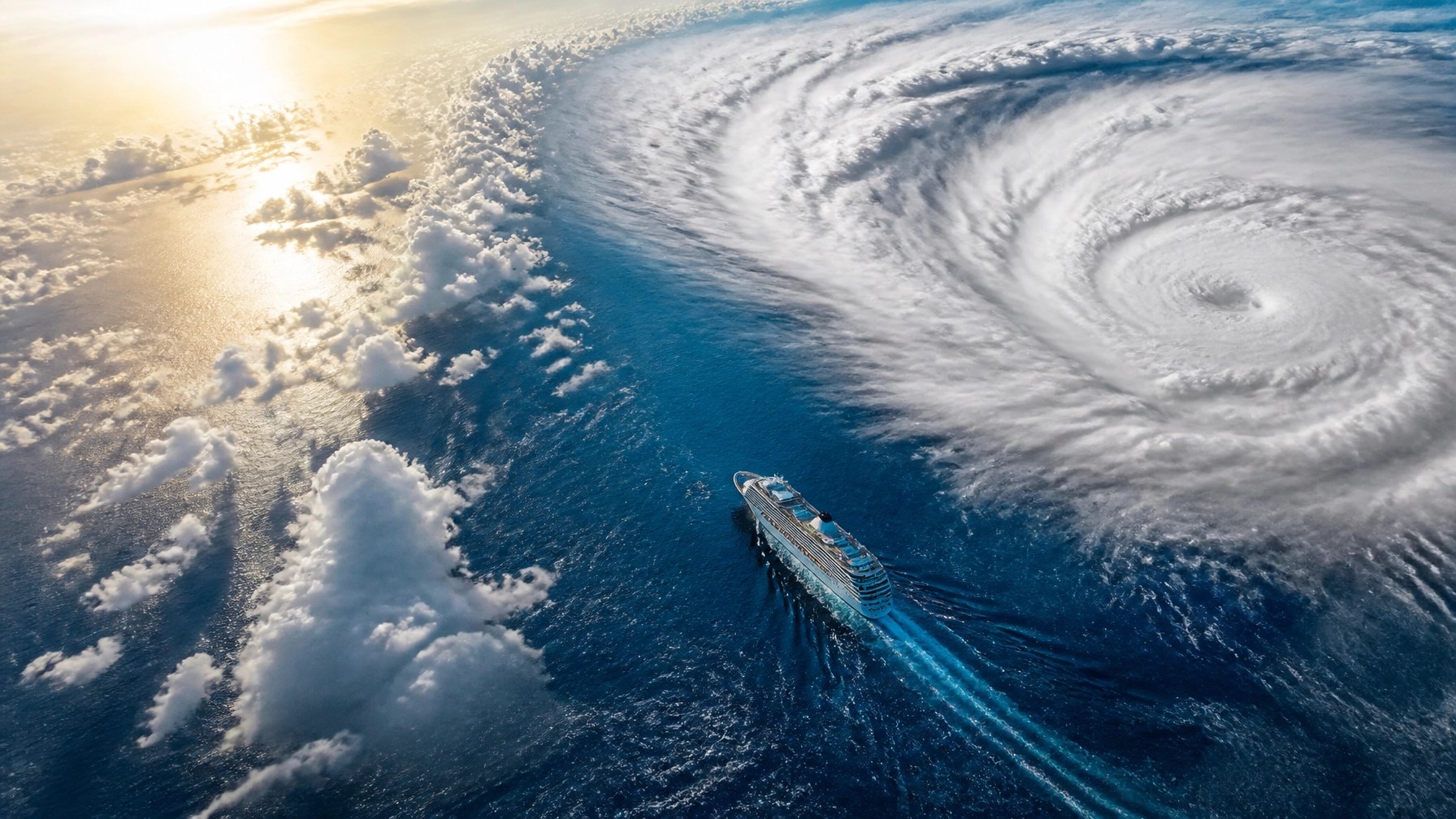
Severe weather has also disrupted cruise operations in Asia during 2026. Typhoon-related closures around Shanghai affected Royal Caribbean’s Spectrum of the Seas, including a canceled July sailing and a later departure that was pushed back and shortened.
In weather events, cruise lines typically try to protect the ship and guests by:
- Avoiding the storm system
- Skipping a port
- Changing the order of calls
- Adding sea days
- Substituting a safer port
- Delaying embarkation until the ship can return safely
A weather diversion is frustrating, but it is usually a safety decision: not a failure to deliver the vacation. In some cases, guests may receive refunds for canceled shore excursions or other unused services. A full cruise refund is generally associated with a canceled sailing or a qualifying major delay, not simply one missed port.
What Happens When a Sailing Is Overbooked?
Overbooked cruises have also made headlines in 2026. In these situations, the sailing may still operate, but the cruise line asks some guests to voluntarily move to another date or give up their reservation.
Offers may include:
- A full refund
- A future cruise credit
- Reimbursement for certain nonrefundable flights or hotels
- Onboard credit
- A replacement sailing
- A cabin-category change with additional compensation
These offers can sound generous, but calculate the true value before accepting.
Check:
- Whether the refund is cash or credit
- How long the future cruise credit remains valid
- Whether the replacement cruise costs more
- Whether airfare and hotels are included
- Whether your original promotions or perks transfer
- Whether the offer is voluntary and time-limited
Never assume that an email asking you to give up your sailing is the same as a standard cruise cancellation. The terms may be completely different.
How Travel Insurance Helps
Travel insurance can protect you from risks that the cruise line does not cover.
A standard policy may provide coverage for covered reasons such as:
- A serious illness or injury
- A medical emergency
- The death of an immediate family member
- Trip interruption
- Missed connections
- Emergency evacuation
- Lost or delayed baggage
- Certain weather-related delays
Coverage varies by policy. “I no longer want to travel” or disappointment over a minor port change is usually not covered under standard trip cancellation benefits.
If you want more flexibility, ask about cancel-for-any-reason coverage. These plans often reimburse only a percentage of the prepaid trip cost and may require purchase shortly after your initial trip payment. They also usually include specific deadlines and eligibility rules.
Buy protection early and review:
- Covered cancellation reasons
- Pre-existing-condition rules
- Trip interruption benefits
- Medical coverage
- Missed-connection protection
- Hurricane and weather provisions
- Claim deadlines
- Coverage for flights booked separately from the cruise
Your Practical Checklist After a Cruise Cancellation
If you receive a disruption notice, do not panic: and do not cancel other arrangements before reviewing the full offer.
First, save everything
Keep copies of:
- The original booking confirmation
- The revised itinerary
- The cruise line’s email or letter
- Flight and hotel receipts
- Shore excursion confirmations
- Travel insurance documents
- Proof of payment
Next, compare your options
Ask whether you can:
- Receive a cash refund
- Move to another sailing
- Transfer promotions and onboard perks
- Use a future cruise credit
- Get hotel or airfare assistance
- Receive refunds for canceled excursions
- Submit reimbursement claims
Then, act quickly
Cancellation and rebooking offers often have firm deadlines. Waiting can mean losing a preferred replacement date, cabin category, or special credit.
How AHTRAVELSNYC Helps When Plans Change
This is where personalized support makes a real difference.
As your NYC and Cruise Specialist, AHTRAVELSNYC can help you:
- Review the cruise line’s notice in plain English
- Compare replacement sailings
- Search for available cabins before inventory disappears
- Coordinate new cruise dates with flights and hotels
- Check whether compensation includes your prepaid arrangements
- Organize documentation for a claim
- Explain travel insurance options before you book
- Look for the best cruise deals from NYC and other U.S. gateways
When a sailing is canceled, getting rebooked quickly can matter. The most desirable cabins and convenient dates may disappear while guests are still waiting on hold with the cruise line.
The goal is not simply to find another cruise. It is to protect the feeling you wanted from the beginning: a dazzling escape, smooth logistics, and fewer stressful details.
Plan With Confidence in 2026
Cruise cancellations and itinerary changes can happen for reasons no traveler can control. Dry dock extensions, government port closures, weather systems, security decisions, and capacity issues are all part of the modern cruise landscape.
But preparation gives you options.
Before booking, review the cruise line’s cancellation terms, choose protection that fits your trip, and keep your documentation organized. If your sailing changes, contact AHTRAVELSNYC before making rushed decisions.
Ready to plan a protected cruise vacation? Contact AHTRAVELSNYC for personalized guidance from a NYC and Cruise Specialist. Let’s find the right sailing, review your protection options, and make your cruise story unforgettable!
Leave a Reply