
Welcome! I’m Ayesha H, AHTRAVELSNYC’s NYC and Cruise Specialist. Every winter, cruise promotions take over your inbox with splashy promises, countdown clocks, and enough “free” extras to make your head spin. Some offers are genuinely worthwhile. But Wave Season isn’t a magic button that makes every cruise cheaper, and the lowest price you see can be the start of a much more expensive trip.
If you’re hoping to sail from Manhattan or Cape Liberty in 2027, let’s get deal-savvy before the promotional noise begins.
First, what is Wave Season?
Wave Season is the cruise industry’s big annual promotion period, generally running from January through March. Cruise lines compete for bookings with offers that may include reduced deposits, onboard credit, bundled amenities, or discounts on selected sailings.
It’s a real opportunity to compare deals. It’s not a guarantee that fares will be at their lowest, or that every “extra” is valuable for your vacation.
Think of the offer as one part of the decision. The better question is: What will this exact cruise cost you from front door to ship and back?

The cheapest sticker price can hide a pricier trip
Before you click “book,” compare the details that change the total.
- Cabin category drift: A tempting fare may apply to an inside cabin, while the ocean-view or balcony category you actually want costs substantially more. Compare the same cabin type and, where possible, the same location on the ship.
- Flights and arrival timing: If you’re flying to New York, the cheapest airfare may come with inconvenient times, extra baggage costs, or a tight connection. Arriving the day before your sailing adds a hotel night, but can spare you a very costly missed-ship scenario.
- Drink packages: A package is a value only if you’ll use it enough to justify the price. Check what’s included, whether service charges or gratuities are added, and whether the cruise line requires other adults in your stateroom to purchase the same package.
- Gratuities: These may be prepaid or added to your onboard account, depending on the line and your booking. Check the current rate for your sailing, rather than relying on an old screenshot from someone’s group chat.
- Promotion fine print: “Free” perks can come with eligibility rules, capacity limits, booking deadlines, or extra charges. Compare the actual offer on the sailing you want.
For example, Norwegian’s Free at Sea terms explain that offers have conditions and can change. Carnival also outlines the terms of its Early Saver promotion. Read the rules for your specific booking, especially before assuming a future price drop will automatically be honored.
Which weeks are more likely to offer breathing room?
There’s no calendar week when every ship suddenly becomes a bargain. Cruise fares move with demand, available cabins, and the details of each itinerary. Still, some windows are generally worth checking first if your dates are flexible.
Start with these shoulder-season windows:
- Mid-January: Once the New Year rush settles, some sailings may have better availability and more competitive offers.
- Early February: The first part of the month, before Presidents’ Week, can be worth comparing.
- Early March: A useful window to price-check before many spring-break dates begin filling up.
These are shopping windows, not guaranteed sale dates. Compare the same sailing across dates, cabin types, and fare conditions. A strong promotion on a less convenient week may not beat a better-fitting itinerary with a straightforward fare.
Expect extra competition around:
- Presidents’ Week, when many families have time off.
- School spring breaks, which vary by district and can stretch from March into April.
- Holiday-adjacent sailings, when travelers often pay a premium to sail over a long weekend or major holiday.
Popular dates don’t always mean impossible pricing. They do mean that waiting for a dramatic last-minute drop can leave you with fewer cabin choices, or no cabin that fits your family.
NYC departures: Manhattan and Cape Liberty are not interchangeable
“Leaving from New York” sounds simple until you’re booking transportation. Manhattan Cruise Terminal and Cape Liberty Cruise Port are different ports, in different states, with different transfer plans. Double-check your terminal before you choose a hotel, arrange a ride, or book airfare.
Manhattan Cruise Terminal is on Manhattan’s west side. Review the terminal directions and parking information before planning your route. Traffic and luggage can turn a short trip on the map into a longer ride in real life.
Cape Liberty Cruise Port is in Bayonne, New Jersey. It’s roughly nine miles from Newark Liberty International Airport, according to Royal Caribbean’s port directions. That can make Newark a convenient airport pairing, but traffic, pickup arrangements, and your arrival time still matter. Check Newark Airport’s ground-transportation options before counting on a particular transfer.
If you live in the NYC area, compare your own door-to-port costs, too: parking, rideshare, public transportation, and how early you need to leave. And if you’re flying in, arrive the day before whenever possible. Your ship has a departure schedule; your flight delay doesn’t get to renegotiate it.

The three date windows I’d put on your shortlist
If I were helping you shop for a 2027 New York-area cruise before the Wave Season promotion flood, I’d start by comparing sailings in:
- January 10–24, 2027
- February 1–10, 2027
- March 1–10, 2027
These are date ranges to explore, not promises that a particular ship sails on each day or that fares will drop. Check the cruise line’s actual schedule, then compare the full trip cost for dates that fit your calendar.
If you already see the right itinerary, cabin, and price in fall 2026, you don’t have to wait for January just because the industry is about to turn up the promo volume. Book the sailing that works, then ask whether the fare rules allow an adjustment if a qualifying offer appears later. Policies vary by line, fare, and booking stage, so confirm the rules before you count on a change.
A smarter way to compare a cruise deal
Make your shortlist, then price each option as a complete trip:
- Cruise-only total: Fare, taxes, fees, cabin category, and deposit terms.
- Onboard total: Gratuities, drink package, Wi-Fi, and any extras you’ll realistically use.
- Door-to-door total: Flights if needed, pre-cruise night, transfers, parking, and travel protection.
Then compare like with like. A package with a higher headline fare might be better value if it includes benefits you’d pay for anyway. Or a lower fare may win because you prefer to skip the extras. Your ideal deal is the one that matches how you want to cruise, not the one with the loudest countdown clock.
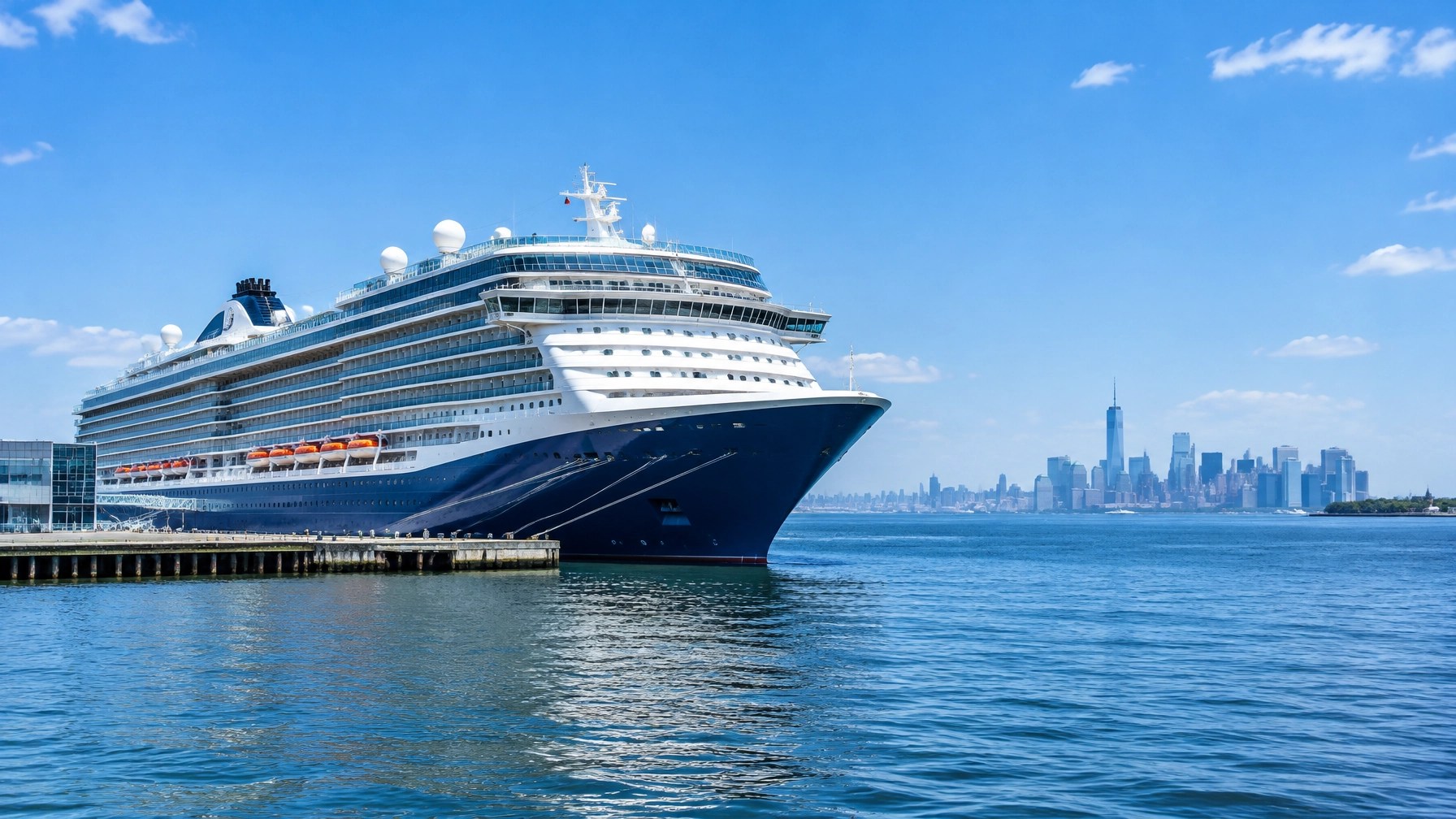
Let’s find the sailing that really fits
Wave Season can bring worthwhile offers, but the best savings come from knowing your dates, checking the port, and comparing the real trip total before the glittery “free” extras take over.
At AHTRAVELSNYC, I’ll help you weigh the cabin options, compare cruise offers, plan your Manhattan or Cape Liberty departure, and sort through the details from booking to embarkation. Explore AHTRAVELSNYC or get inspired by our NYC pre-cruise planning guide.
Ready to sail in 2027? Reach out to AHTRAVELSNYC now for personalized help finding the right week and the right value: before the Wave Season noise gets louder!
Leave a Reply