
A family cruise can be a vacation for your kids, and, wonderfully, a vacation for you. The secret isn’t packing every hour with activities. It’s choosing a ship and schedule that give everyone room to have fun, including the grown-ups who usually know where the sunscreen is.
I’m Ayesha H, mom of three and NYC and Cruise Specialist at AHTRAVELSNYC. I love a family trip, but I also know that “relaxing” means something different when someone needs a snack every 11 minutes. A well-planned cruise can make things easier: meals are close by, activities are built in, and the kids may discover that spending time at their club is actually their idea.
Here’s how to make that work in real life, not just in the glossy brochure.
Kids’ clubs: what happens after you sign them in?
Cruise-line youth programs are generally organized by age, with activities designed for different stages. For example, Carnival’s Camp Ocean groups children into age bands, while Norwegian Cruise Line’s Splash Academy serves children ages 3–12, with Entourage for teens ages 13–17. Program names, ages, hours and rules vary by ship and sailing, so check the details for your specific cruise before you book.
What do kids actually do there? Often, the answer is the magic combination of other kids, planned activities, and a change of scenery. Think games, crafts, themed events, music, and a place to hang out with new friends. Your child may be thrilled by an activity you couldn’t get them to try at home, because apparently a craft table is more exciting when it’s at sea.
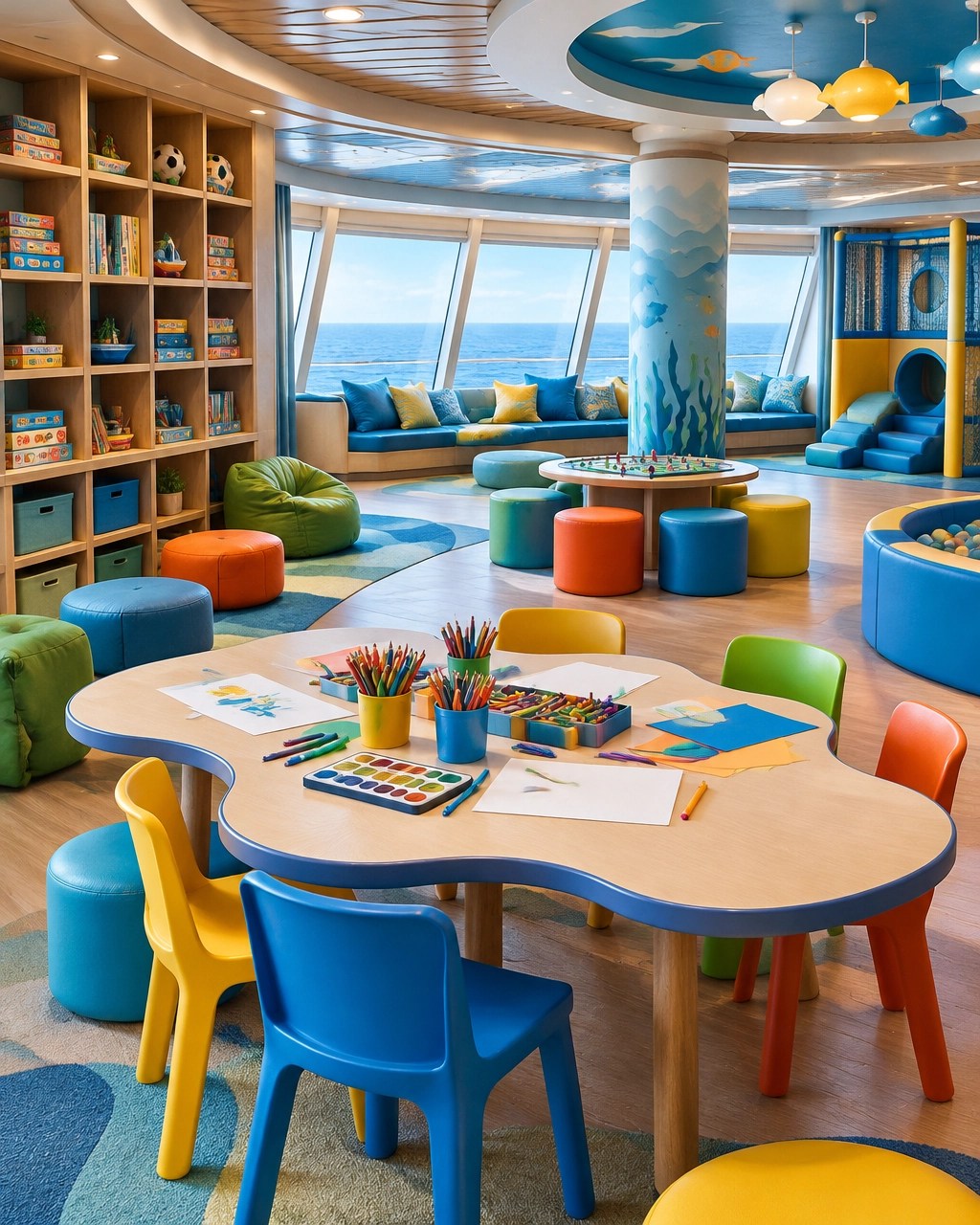
Make drop-off easy:
- Register early. Find out whether you can complete youth-club registration before sailing or need to do it onboard.
- Visit together first. A quick look around can make the first drop-off feel less like you’re leaving your child at a tiny floating university.
- Learn the pickup rules. Ask about authorized adults, sign-out procedures, any passwords or wristbands, and how the crew will reach you if needed.
- Check hours and fees. Regular programming, late-night care, and port-day availability can differ. Some programs have age or capacity limits.
- Share essential information. Make sure staff know about relevant allergies, medications, or support needs, and confirm what the program can accommodate.
For toddlers, check the minimum age and whether the ship offers the kind of care you want. Carnival, for instance, lists a separate program for children under age two, with specific hours and fees. Don’t assume a standard kids’ club includes infant drop-off.
Tweens, teens, and the pirate-deck question
A tween might be more interested in the pool deck, a waterslide, or a dedicated lounge than in a carefully planned family activity. That’s not a parenting failure; it’s a tween discovering the beautiful concept of being somewhere without you for 20 minutes.
Teens may value a place to meet other teens and come and go according to the ship’s rules. Ask what the teen program actually offers, whether it’s drop-in or scheduled, and how the ship handles check-in and supervision. A lounge or activity area is a bonus, but don’t promise your teen a private kingdom based on one photo of a cool chair.
Set expectations before sailing: what they may do independently, where they can go, how often they should check in, and what to do if plans change. For younger kids, agree on a simple meeting point and make sure they know how to contact you through the ship’s approved process.
Port day with a toddler, tween, or teen
The best shore day is not necessarily the one with the most stops. It’s the one your family can enjoy without anyone unraveling before lunch.
With a toddler: Choose one main outing, allow extra time for snacks and naps, and have a rain-or-heat backup. Bring the stroller if it suits your plan, but check the route: charming old streets can be a parade of steps and cobblestones. Keep essentials with you and don’t count on the kids’ club being open or available while the ship is docked.
With tweens: Give them a little input. Offer two parent-approved options: say, a beach stop or a short guided activity, and let them help choose. Build in time for swimming or exploring, but keep your return plan clear. “We’ll wander until we feel like heading back” is how you end up speed-walking toward the ship with a melting ice cream cone.
With teens: Agree on the day’s anchor activity, travel together, and set firm check-in and all-aboard expectations. Teens may want more independence, but port-day transportation, timing, and ship rules still matter. Make sure everyone knows the meeting spot and has what they need to contact the group.
For any age, bring water, sun protection, necessary medication, and a backup plan. Check the cruise line’s port-day rules before sailing. Norwegian, for example, explains that Splash Academy has specific port-day arrangements and isn’t simply a drop-off option whenever the ship is in port. Confirm the current schedule for your sailing directly with the cruise line.
One family stateroom or connecting cabins?
This is a comfort question, a budget question, and sometimes a question of whether everyone can handle hearing the same bedtime story for the ninth time.
A single family stateroom can keep everyone close and may be the more budget-friendly choice. You’ll have one room to manage and everyone is only a few steps away. The trade-off is less privacy, fewer places to retreat, and the challenge of keeping the room quiet when one person is ready to sleep and another has just remembered an urgent joke.
Connecting cabins can offer more breathing room, separate sleeping spaces, and often an extra bathroom. They usually cost more, and the exact room configuration matters. Confirm that the cabins have an interior connecting door (not merely that they’re near each other) and check the bed setup, occupancy limits, bathroom count, and adult-child booking rules for your chosen cruise line.
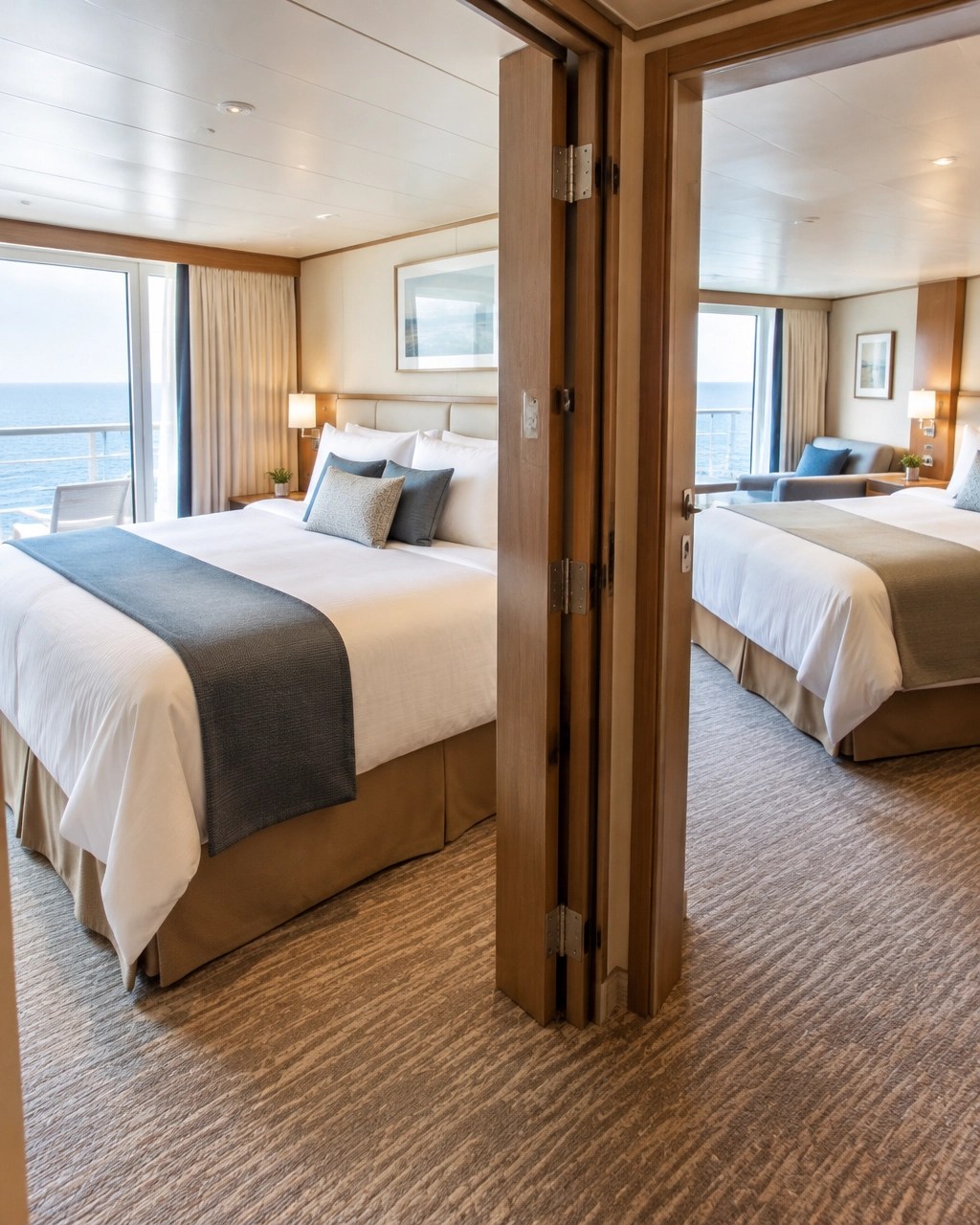
There isn’t one right answer. Think about your children’s ages, sleep habits, the time you’ll spend in the room, and whether privacy would make the trip feel genuinely easier. I help families compare the real trade-offs before selecting a cabin, not after everyone has unpacked.
How to get date night on the ship
Yes, you can have dinner without cutting someone else’s food into tiny squares first. The trick is to plan date night around the club’s real schedule, not the schedule you’re hoping it has.
- Check hours before booking dinner. Confirm when the kids’ program is open, when drop-off and pickup happen, and whether late-night care is available for your sailing.
- Choose a realistic dining time. Leave room for getting the kids settled and walking to the restaurant. A tight transition is not romantic; it’s a relay race with nicer shoes.
- Ask about dining rules. Some venues have age restrictions or specific children’s menus and pricing. Check your cruise line’s current terms and the restaurant you want.
- Make the handoff clear. Tell the kids where you’ll be, how they can reach you, and exactly when you’ll pick them up.
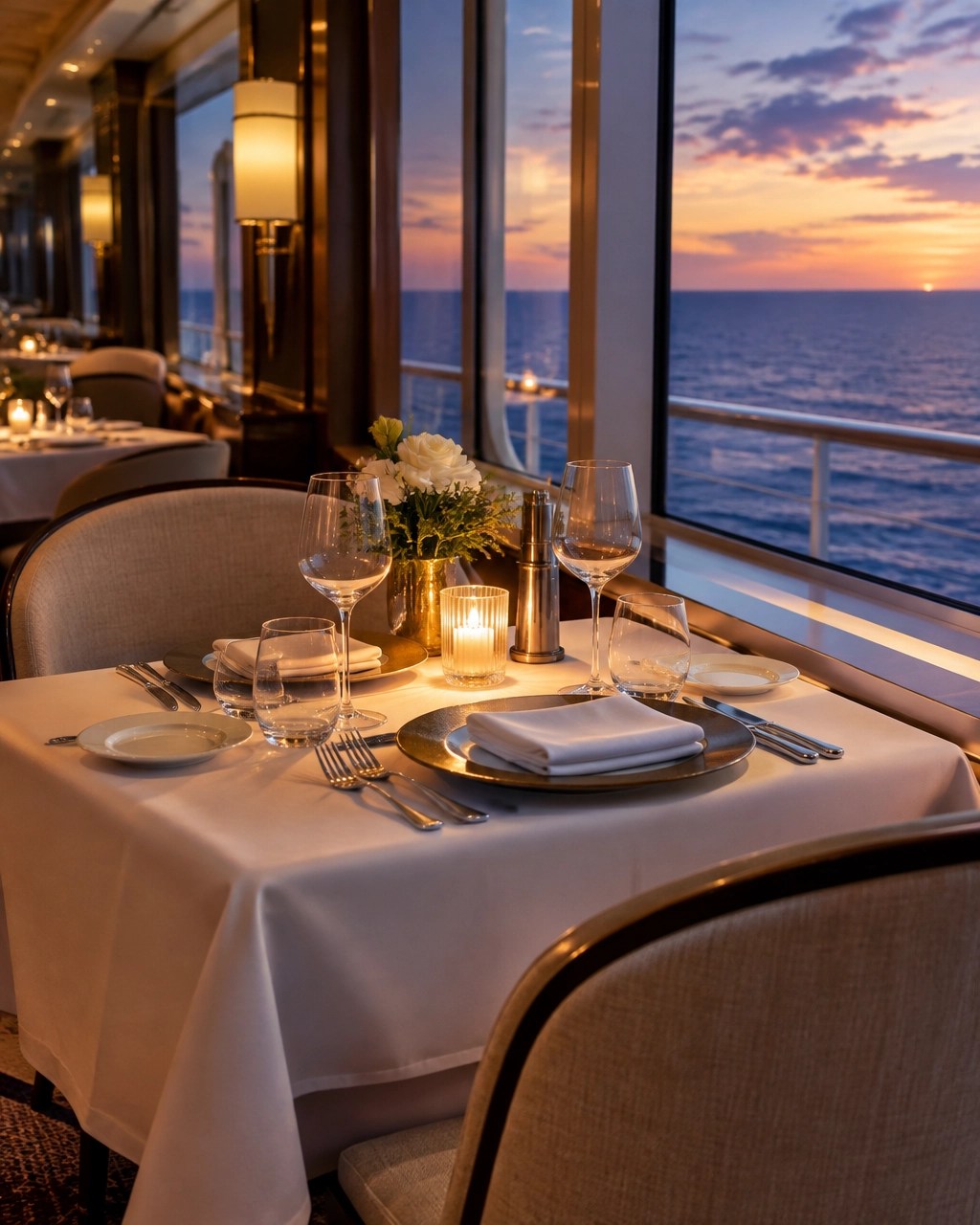
Keep the first date night manageable. A relaxed dinner where you can finish a sentence is a win, even if you spend the first five minutes wondering whether everyone remembered their club pickup tag.
The packing mistake: putting everything in checked luggage
The classic family-cruise error is packing the essentials in the suitcase you hand over at the terminal. Checked bags may take time to reach your room, while your family may be ready for the pool, lunch, or a change of clothes much sooner.
Pack a carry-on with the things you’ll need before your luggage arrives: IDs and travel documents, medication, swimsuits, sunscreen, chargers, a change of clothes, and toddler essentials. Add a favorite comfort item and a small snack if permitted under your cruise line’s rules. Your future self, possibly wearing a swimsuit under their travel clothes, will thank you.
Make room for your kind of family vacation
A cruise won’t make every moment perfect. Someone may lose a shoe, reject the perfectly acceptable snack, or suddenly remember the existence of a pirate deck. But with the right ship, cabin, club schedule, and port-day plan, the vacation can feel more manageable, and the parents can get something too: time to unwind, enjoy a meal, and make memories that aren’t all logistics.
I’m Ayesha H, your NYC and Cruise Specialist at AHTRAVELSNYC. I’ll help you compare cruise lines, choose a family-friendly cabin, and sort through the details that make the difference between “we survived” and “we’d do that again.”
Ready to plan your family cruise? Visit AHTRAVELSNYC and reach out to start building a trip that works for your whole crew, including the parents!
Leave a Reply