By Ayesha H, AHTRAVELSNYC NYC and Cruise Specialist
If you’ve been dreaming about a 2027 river cruise, the 2026 low-water headlines may have left you wondering whether to book, or wait. Here’s the reassuring, honest answer: you can plan a wonderful river cruise, but it’s wise to understand what flexibility means before you put down a deposit.
I’m Ayesha H, NYC and Cruise Specialist at AHTRAVELSNYC. I help clients look beyond the brochure, ask the useful questions, and choose a sailing that suits their priorities. Let’s take a calm, practical look at what happened in 2026, how AmaWaterways responds when river conditions change, and what to consider as you book for 2027.
What happened on the Rhine and Danube in 2026?
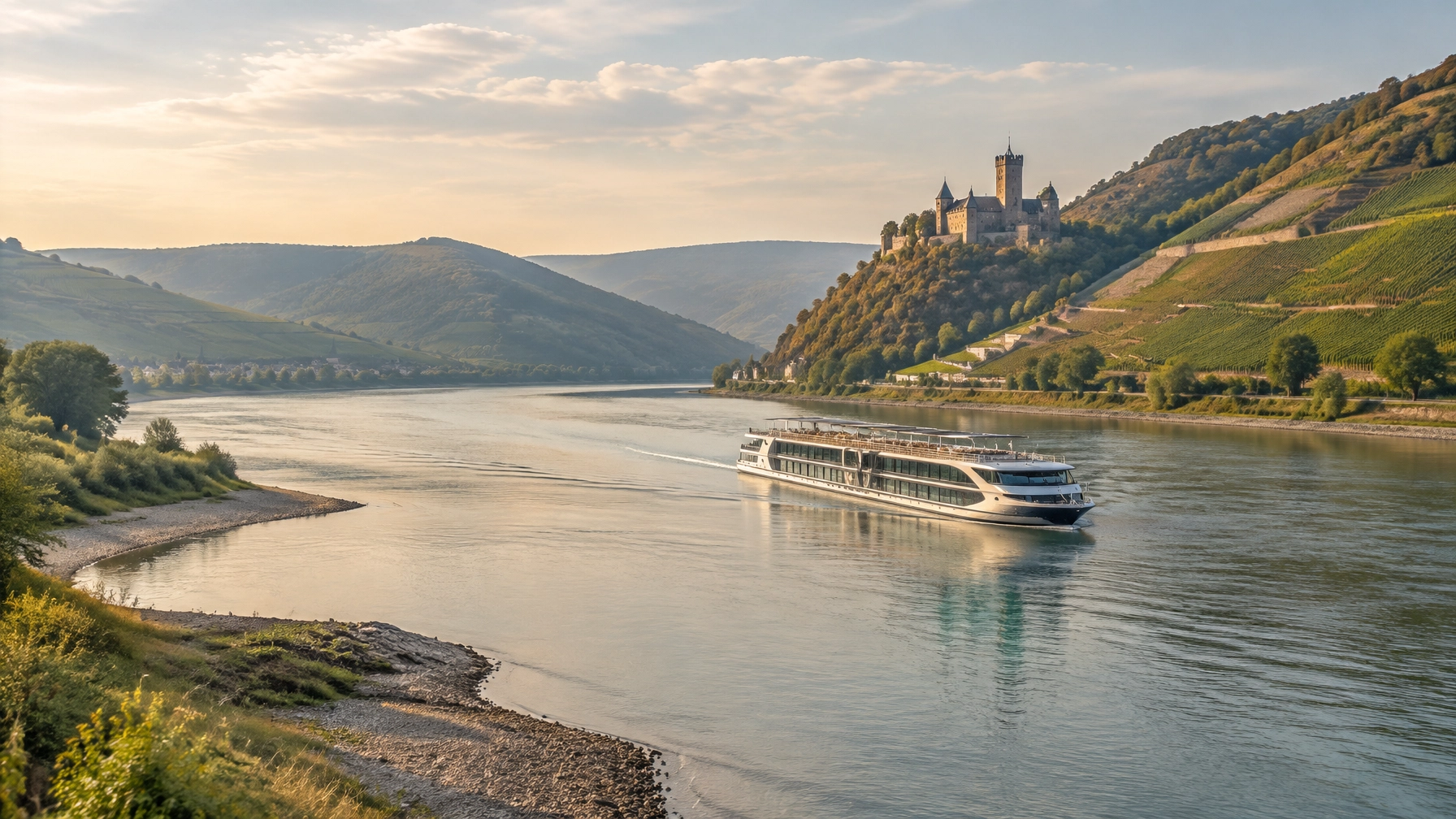
A hot, dry summer brought unusually low water to parts of Europe’s rivers. AmaWaterways reported that the Danube, Rhine, and Main were running below seasonal norms, with particularly low levels on the Danube in Romania. When water drops below safe navigation limits on a particular stretch, a ship may not be able to pass through it as planned.
That doesn’t automatically mean a cruise is cancelled. In 2026, river conditions led to itinerary adjustments that could include coach transfers between stretches of a river, a changed port or embarkation point, a different order of stops, or an alternate schedule. The details depended on the sailing and the conditions at the time.
It’s important to know what that flexibility can mean for your vacation. A coach transfer may help you reach a planned destination, but it is still different from sailing there. A revised itinerary may preserve much of the trip, while changing the order, timing, or particular experience you expected. Neither outcome should be assumed in advance for a 2027 departure.
How AmaWaterways responds, and what’s planned for 2027
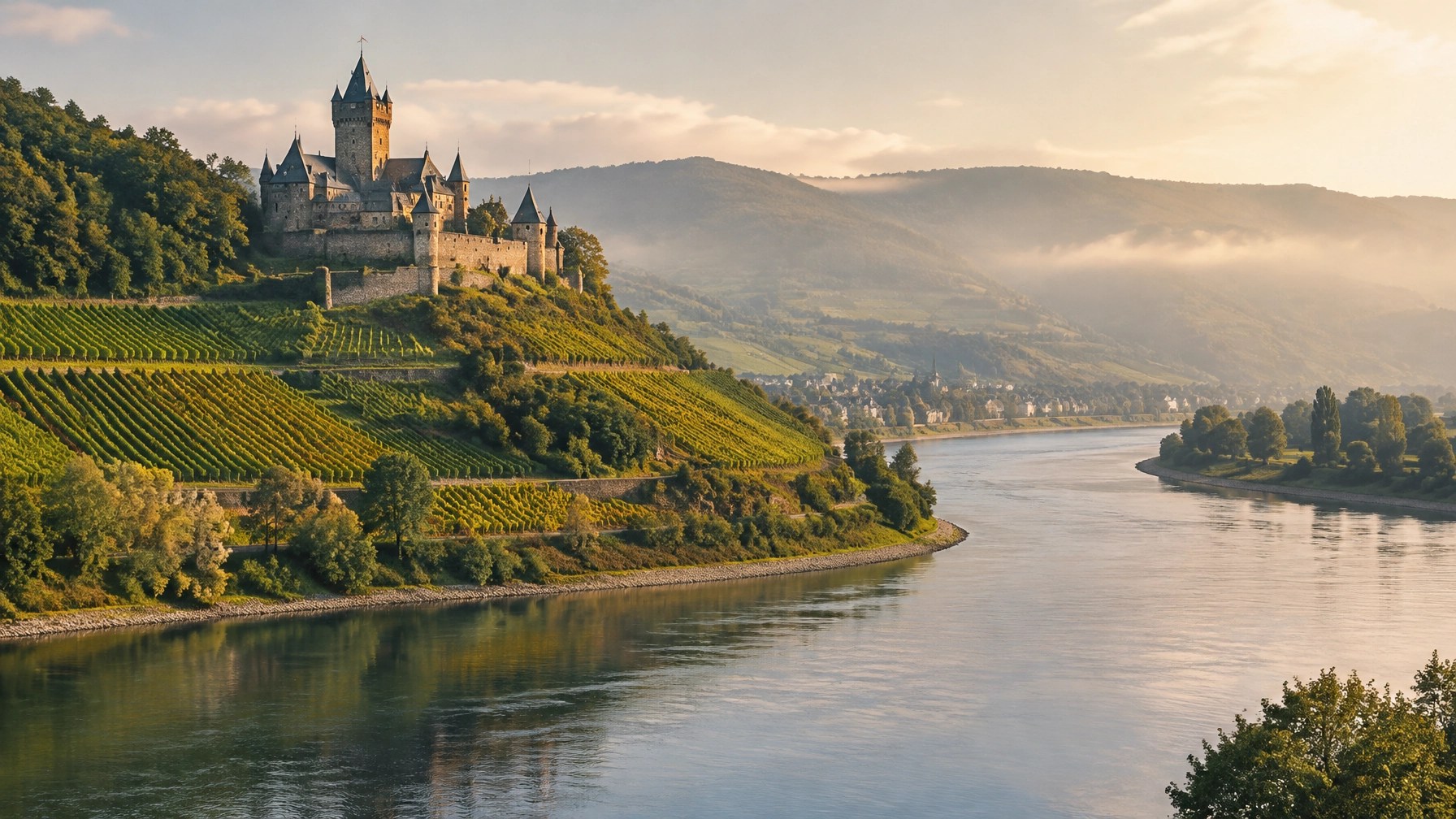
AmaWaterways says it monitors river conditions and may adjust affected sailings to keep journeys moving. Depending on the circumstances, its response can include a sister-ship transfer, motorcoach transportation, changes to ports or ship schedules, or a revised itinerary. Guests on affected sailings are contacted individually. The company’s travel updates are a helpful place to check for current notices.
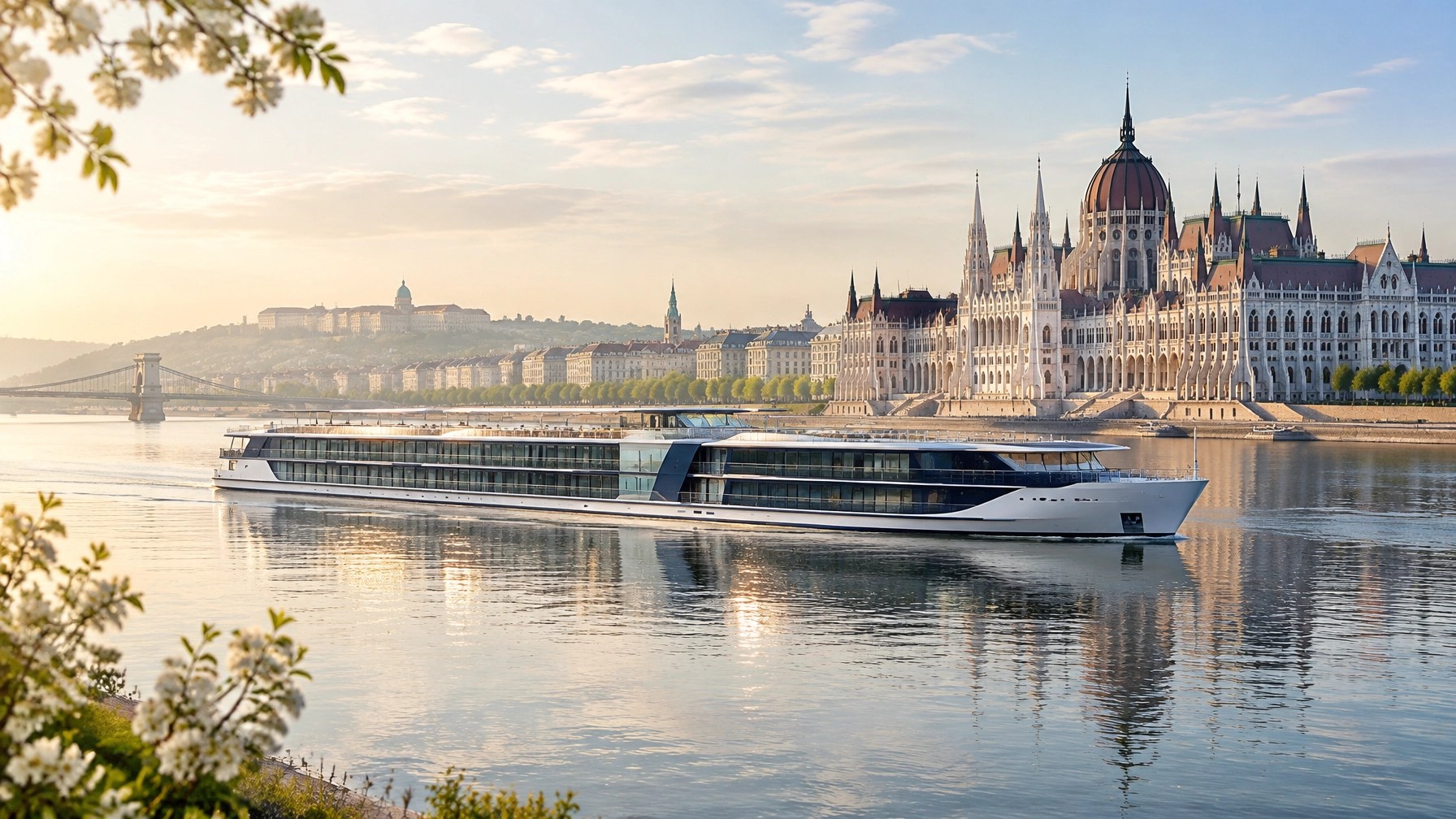
For 2027, one noteworthy addition is AmaRudi, scheduled to make its inaugural Danube sailing on April 11. Its arrival adds another ship to the Danube schedule, but it is not a promise that any particular sailing will be immune to low water or operational changes. AmaWaterways describes alternatives such as sister ships, overland transfers, and adjusted schedules if conditions affect navigation.
The key distinction: a ship launch or operational flexibility is not a guarantee that every advertised port or stretch will operate exactly as shown. I haven’t seen a blanket announcement that every 2027 Rhine or Danube itinerary has been redesigned. Treat each sailing as its own plan, and confirm the current details before booking.
When are water levels most worth considering?
Late summer is commonly treated as the higher-risk period for low water, particularly after a prolonged hot, dry spell. That’s a planning consideration, not a forecast for 2027. Conditions depend on rainfall, river gauges, and the specific stretch your ship needs to navigate.
If dates are flexible, ask about spring and shoulder-season departures as well as midsummer. Different months bring different scenery and weather, and no season can guarantee unchanged sailing conditions. A rainy summer can alter the picture; a dry spell can persist. The best date is the one that balances your calendar, comfort, and expectations.
Book early for choice, not to eliminate uncertainty
If you’re ready to travel in 2027, booking sooner generally gives you more opportunity to choose among available cabin categories, locations, and dates. Particularly if you have your heart set on a specific cabin or sailing, waiting may mean fewer options. Availability and pricing vary, so I recommend checking what is actually open rather than relying on a one-size-fits-all booking deadline.
Before you reserve, consider:
- Your must-haves: Is a particular stretch of river or port essential, or are you happiest with the overall journey?
- Cabin preference: Which location and category matter most to you?
- Schedule flexibility: Could you travel in a different month if another date better fits your priorities?
- Travel arrangements: How much time will you allow before and after the cruise, especially if booking separate flights or stays?
AmaWaterways publishes current ship and itinerary details on its AmaRudi page. Use the itinerary as a starting point, then review the booking terms and ask how changes may be handled for your specific sailing.
Ask these questions before you deposit
A few clear questions now can make a big difference later. Ask the cruise line or your advisor:
- What kinds of itinerary changes can be made if water levels affect this sailing?
- Could the plan involve a ship change, coach transfer, missed port, or additional hotel night?
- If the cruise operates but the itinerary changes, what options, if any, are available?
- When should guests expect an update, and where will the latest information be posted?
- How might a change affect independently booked flights, transfers, or pre- and post-cruise plans?
AmaWaterways has said it aims to provide a sailing-specific update at least 14 days before embarkation, while noting that conditions can change quickly. That update is useful, but it isn’t a promise that river conditions, or the itinerary, cannot change afterward.
What travel insurance may, and may not, cover
Don’t assume that “cruise coverage” automatically means coverage for low water. Whether you’re protected depends on the policy language, the event that occurs, and the timing of the disruption. Some policies may cover specific water-level-related cancellations or interruptions; others may not. A changed port or coach transfer, while disappointing, may not qualify as a covered reason to cancel.
Before buying, ask the insurer directly whether the plan covers:
- Cancellation or interruption caused by low or high water
- A missed port or a materially changed itinerary
- Nonrefundable flights or other arrangements booked separately
- Your option to cancel if the cruise operates but the revised plan no longer suits you
The Squaremouth overview of river-cruise water-level coverage explains why travelers should read the policy wording rather than rely on a plan’s name. Review the full terms and exclusions, and ask the insurer for clarification before purchasing. I can help you think through insurance questions, but the insurer is the right source for a coverage decision.
The AHTRAVELSNYC difference: fewer surprises, better questions
I can’t control the river, and no advisor can promise that every sailing will follow its original plan. What I can do is monitor relevant water-level reports and cruise-line notices, help you understand what an update means, and flag questions before you book. If an itinerary changes, I’ll help you review the information and think through your next steps.
That personal support matters most when plans are moving. Instead of sorting through a stack of headlines alone, you have someone helping you separate general reports from information that applies to your sailing.
Ready to choose your 2027 river cruise? Send me your preferred dates, cabin priorities, and the places you most want to experience. I’ll help you review AmaWaterways options, understand the flexibility built into the trip, and make a thoughtful plan. Contact AHTRAVELSNYC to start planning, and let’s make your story unforgettable.
Leave a Reply