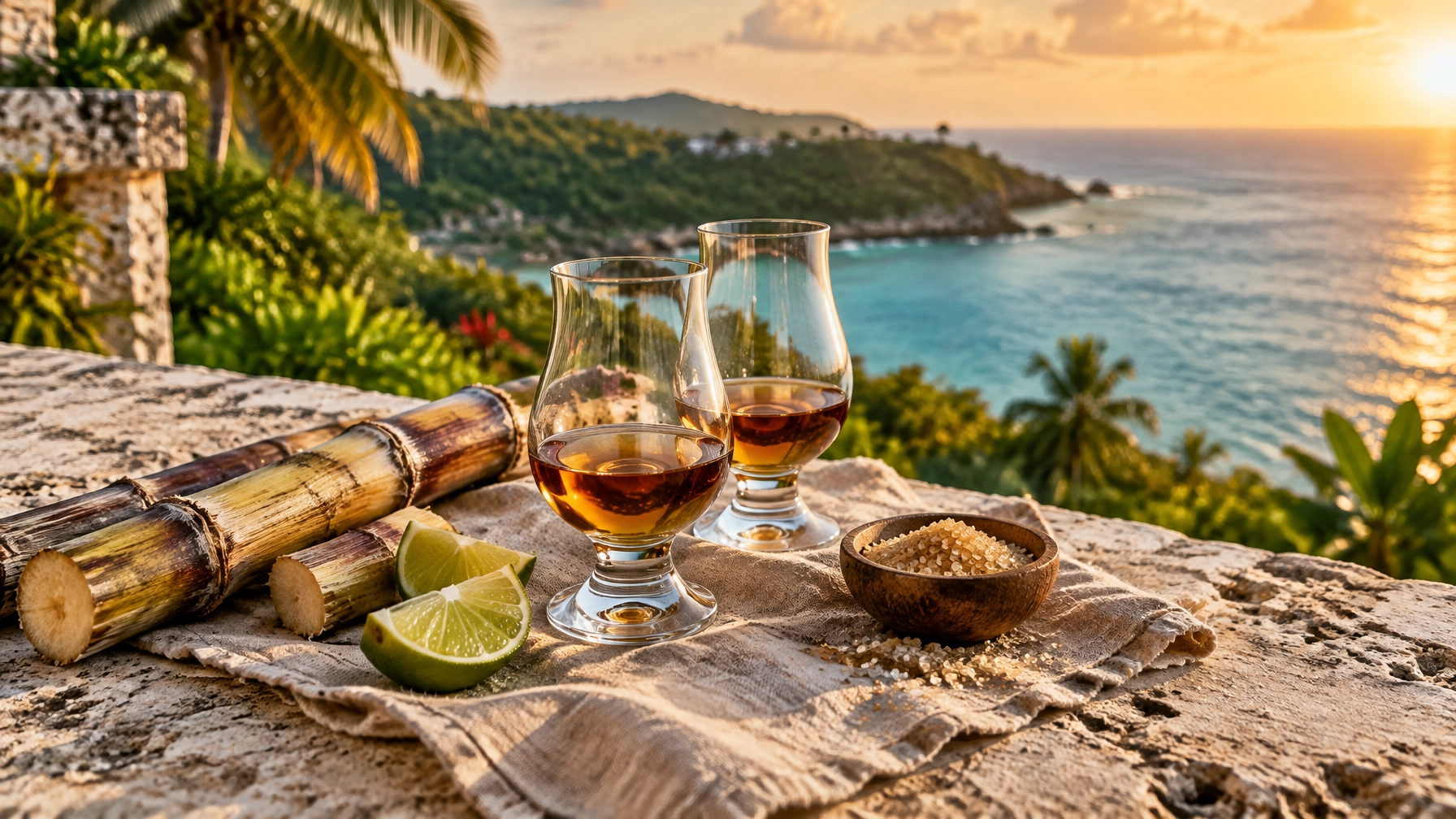
I’m Ayesha H, NYC and Cruise Specialist at AHTRAVELSNYC. When you’re traveling in the Caribbean, rum can tell you a lot about the place you’re visiting, if you take a moment to taste beyond the sweet cocktail menu. Think fragrant cane, bright citrus, warm oak and, in Jamaica, a wonderfully bold tropical note that may make your pineapple wonder what it’s been doing with its life.
Here’s a traveler’s guide to the spirit: what makes each style distinct, how to taste without rushing, and how to fit a memorable rum experience into a port day or resort stay.
A quick note: Rum’s history is tied to the sugar economy and the forced labor of enslaved people. That story deserves honesty, even when the afternoon is sunny and the glass is lovely. You can appreciate the craft while recognizing the human cost behind its origins.
Why Rum Is Part of the Caribbean’s Story
Sugarcane shaped Caribbean agriculture and trade. Sugar was the prized crop; molasses, a by-product of sugar production, became a key ingredient in many rums. Over time, island distillers developed distinct methods and styles, shaped by local crops, equipment, climate and tradition.
Barbados, for example, is closely associated with rum’s early history: Visit Barbados traces the island’s rum-making story back centuries. In Martinique, the contrast is especially clear: its distinctive rhum agricole is made from fresh sugarcane juice rather than molasses. The island’s official rum overview explains that tradition.
The best takeaway isn’t that one style is “better.” It’s that rum can taste strikingly different depending on where and how it’s made.
Island Styles: What to Look for in the Glass
Jamaica: big, aromatic character
Jamaican rum is often known for what enthusiasts call “funk”: vivid aromas that can suggest ripe banana, pineapple, spice or overripe fruit. The word is affectionate, not a warning label. Try a small sip neat first; the aromas may be more expressive than you expect.
For a closer look at distilling and aging, Appleton Estate’s visitor information is a useful starting point. Tour availability and details can change, so check directly before building your day around a visit.
Barbados: balanced, graceful and often drier-tasting
Barbadian rum is commonly molasses-based, with many examples prized for balance and a clean finish. You may notice gentle vanilla, oak, caramel or spice, without the same exuberant fruitiness as a high-ester Jamaican rum. “Dry” is a helpful tasting description, not a promise that every bottle follows the same rule.
You’ll also hear Bajan rum and Demerara rum mentioned together in Caribbean conversations. They aren’t the same thing: Bajan refers to Barbados, while Demerara is associated with Guyana and its Demerara River region. Both can be fascinating to compare, but don’t let a shared glass erase their different origins.
For Barbados distillery visits, Visit Barbados’s rum tour guide outlines options and experiences.
Martinique: cane-forward rhum agricole
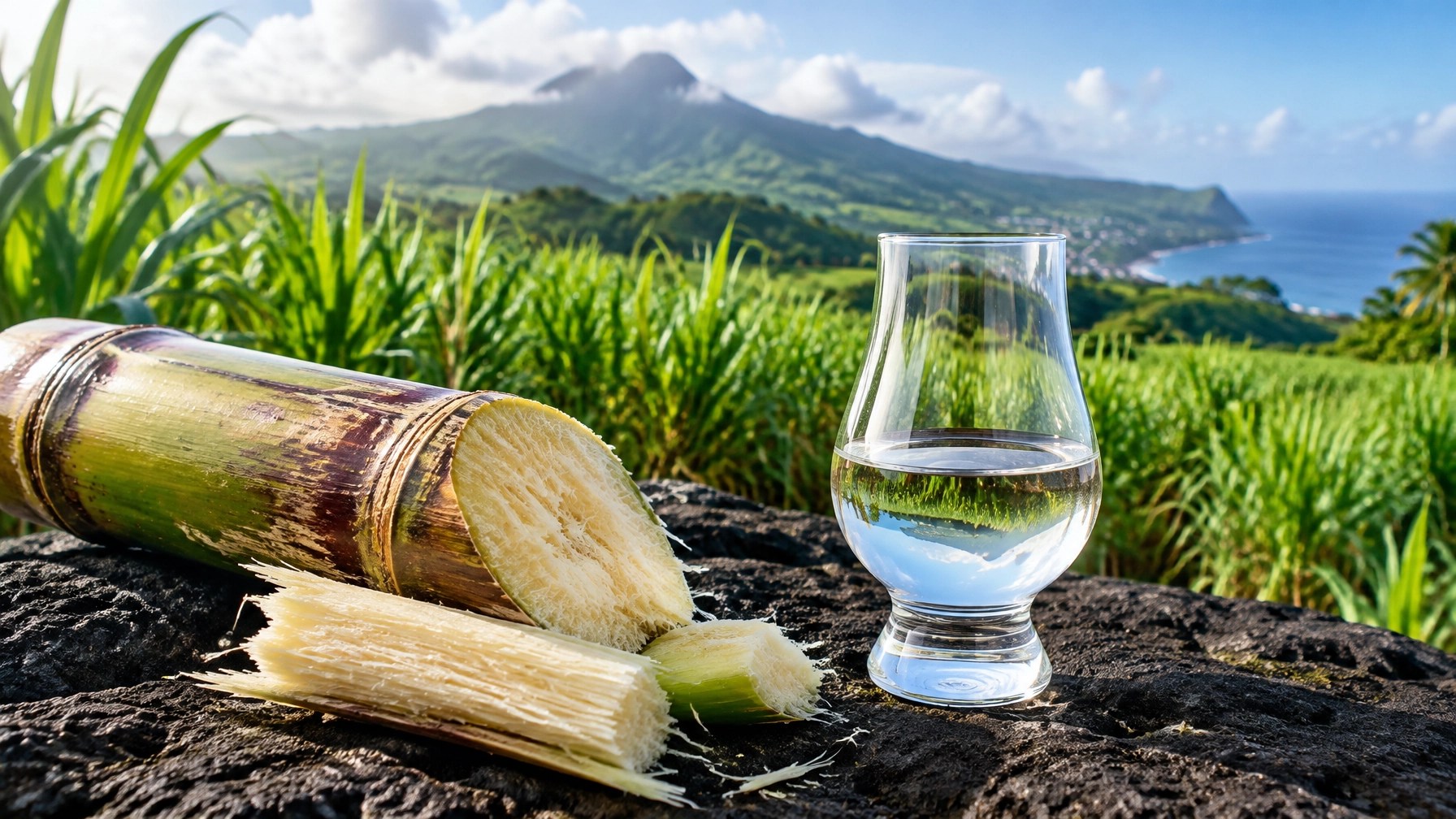
Fresh cane juice gives agricole a profile that can feel grassy, herbal, citrusy or earthy, less like deep molasses and more like a vivid snapshot of the cane itself. Martinique has an appellation system for its rum; the INAO product information provides the technical details.
If you’re traveling there, the official Martinique distillery guide can help you explore visits and tastings. Confirm schedules and reservations with the distillery before you go.
How to Taste Like a Grown-Up, Without the Lecture
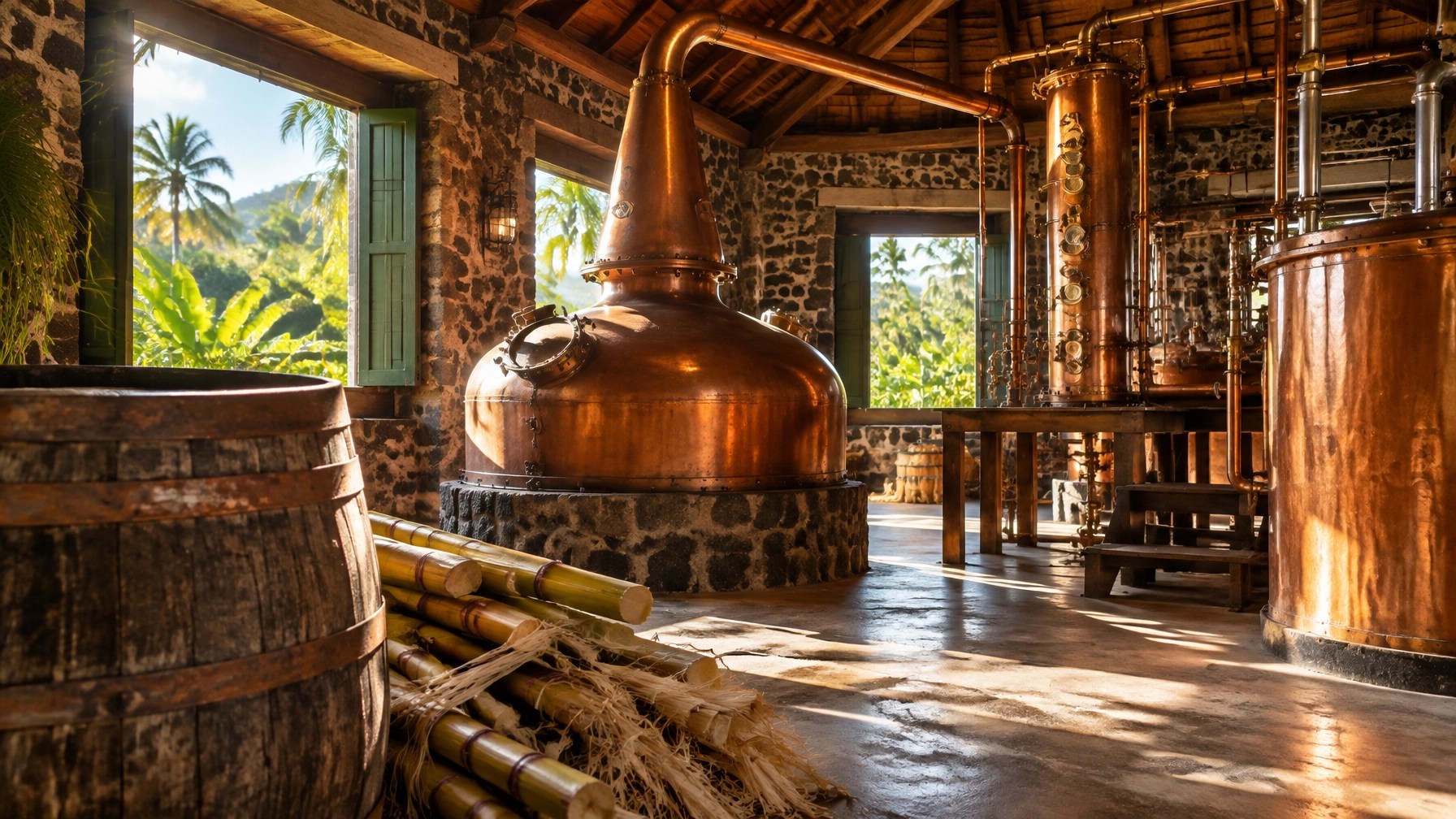
The trick is simple: give the rum a little attention, and give yourself time.
- Start with a modest pour, neat. Use a small glass and take a gentle sniff from above the rim. A deep, determined inhale is a reliable way to learn that alcohol has opinions.
- Take a small sip. Notice the first impression, then the texture and the finish. Is it light, warm, fruity, grassy, woody or spicy?
- Add a few drops of water if you like. This can soften the alcohol and open up the aroma. Ice is perfectly fine when you’re enjoying a drink; it’s just less useful when you’re comparing several styles.
- Taste before you mix. Then try the cocktail version. The neat pour helps you recognize what the lime, sugar and ice are bringing to the party.
Water and a little food make good companions. Pace yourself, follow the host’s lead, and remember that a tasting is not a race. You’re on island time; your glass can be, too.
The Distillery Tour That’s Worth an Afternoon
Choose a visit that explains more than the gift-shop shelves. The most rewarding tours connect the steps: cane or molasses, fermentation, distillation and aging. You’ll leave with a clearer sense of why one rum tastes grassy and another smells like a very confident fruit basket.
In Jamaica, compare the visitor details from Appleton Estate with Worthy Park’s distillery experience. In Barbados, check the official rum-tour guide; in Martinique, browse the island’s distillery listings.
Before you book:
- Check tour days, reservation requirements, minimum ages and transportation arrangements directly.
- Wear closed-toe shoes if the distillery requires them.
- Choose one good visit rather than trying to squeeze several into a tight afternoon.
- Don’t drive after a tasting. Arrange a responsible ride, and keep water and food in the plan.
Beach-Bar Etiquette, and What to Order
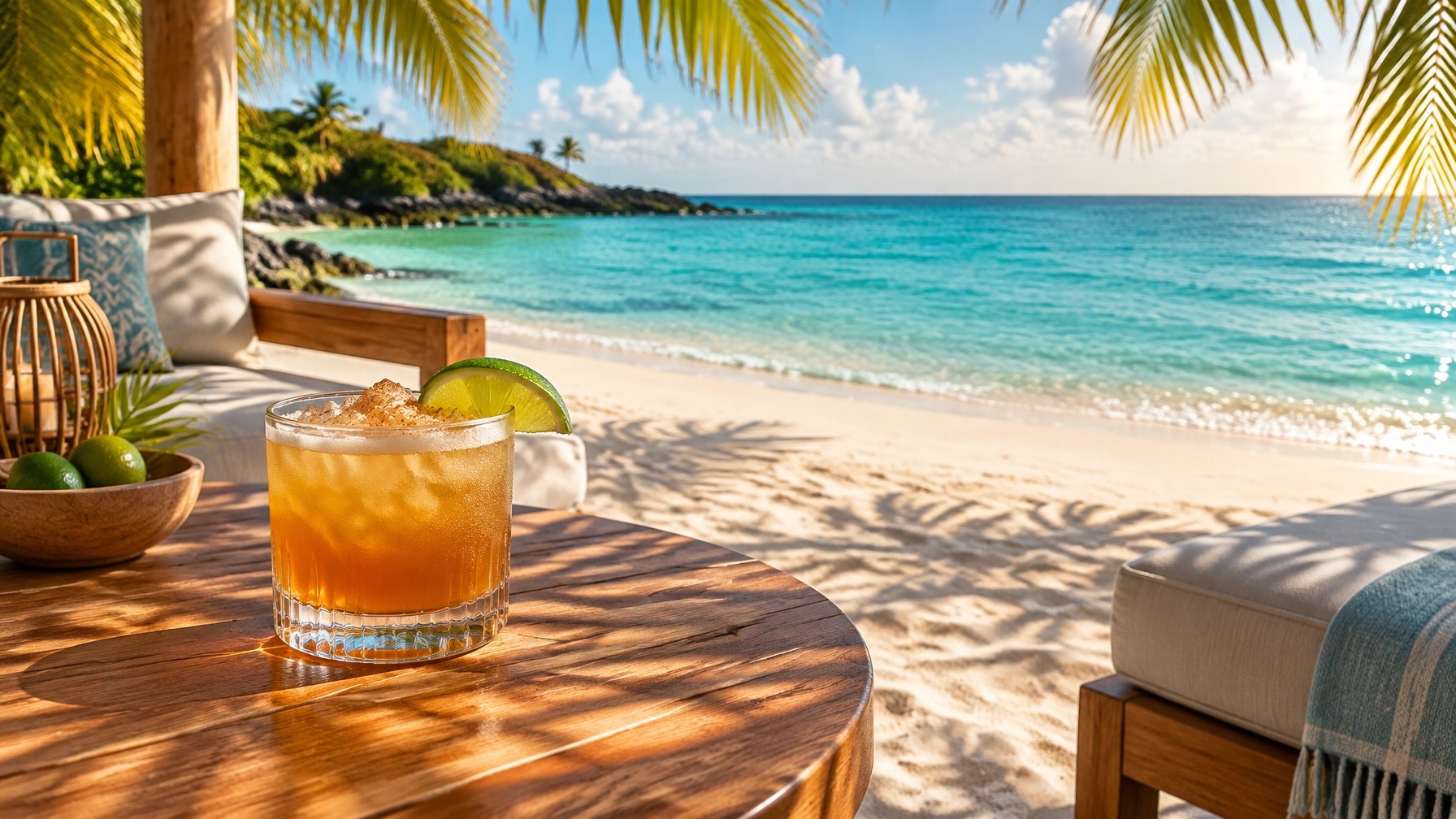
At a beach bar, start with a friendly hello and ask what the staff recommend locally. If you’re curious about a rum you haven’t tried, ask for its name or style; you may get a more useful answer than simply asking for “the strongest one.” And if a local has a favorite way to serve it, listen. That advice has probably survived more sunsets than your cocktail app.
Rum punch, decoded: The familiar “one of sour, two of sweet, three of strong, four of weak” is a helpful starting point, not a Caribbean constitution. Recipes vary, and the local version often tastes brighter and less sugary than a generic menu pour. Ask how theirs is made, and request it less sweet if that’s your preference.
For a classic example, visitTrinbago’s rum punch recipe combines dark rum, lime, sugar, bitters and nutmeg. In Martinique, try a ti-punch if it’s offered: agricole rum with lime and cane sugar. It’s generally sipped slowly, not treated like a shot. The local preparation is the point, so let your host guide you.
Make It Fit Your Cruise Port Day or Resort Stay
A rum tasting can be a lovely change of pace between beach time and dinner. At a resort, ask the bar team about a short flight of local styles, or choose a guided tasting if one is available. Keep the rest of the day flexible; a leisurely lunch and a swim are excellent follow-up plans.
On a cruise, check port timing before booking anything ashore. Confirm how long the visit takes, how you’ll get there and back, and leave a generous buffer before all-aboard. For a tight call, a nearby tasting may be wiser than a long drive inland. If you’re weighing port-day logistics alongside the rest of your sailing, AHTRAVELSNYC’s cruise-planning notes offer a helpful reminder: the smoothest trips are planned around the real clock, not wishful thinking.
If you want to bring home a bottle, check your cruise line’s rules, airline and customs requirements, and packing guidance before buying. And please don’t let a beloved bottle become the most dramatic item in your suitcase.
Ready to make rum part of your Caribbean story? Tell Ayesha H, NYC and Cruise Specialist at AHTRAVELSNYC, where you’re sailing or staying and what kind of experience you enjoy. I’ll help you shape a relaxed itinerary with room for a memorable tasting, and enough time to enjoy it properly. Reach out to AHTRAVELSNYC to start planning your Caribbean getaway.
Leave a Reply